- New & Used Truck/Car Tire Pressure Monitoring Sensors On Sale
- sku: 10274592616067632
- ITM TPMS 08016D-1665303
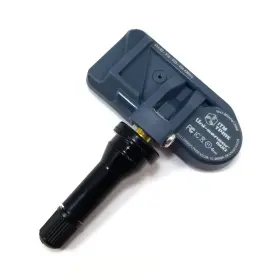
08016D-1665303 ITM TPMS Rubber Snap Uni Sensor Duo Viper
fits make: Dodge. year: 2003–2010.
| Brand | ITM TPMS |
|---|---|
| Manufacturer Part Number | 08016D-1665303 |
| Model | VIPER |
| Type | DUAL FREQUENCY SENSOR |
| Frequency | 433MHZ |
| Valve Type | SNAP-IN |
| Valve Material | RUBBER |
| UPC | 667952795226 |
Review ITM TPMS Rubber Snap-in Uni-sensor Duo 433mhz Sensor For Dodge Viper for DODGE 2003–2010
Introducing the ITM TPMS 08016D-1665303 Rubber Snap-in Uni-Sensor Duo, engineered specifically for Dodge Viper models from 2003 to 2010. This Tire Pressure Monitoring System (TPMS) sensor is a crucial component in maintaining optimal tire pressure and ensuring a safe and efficient driving experience.
The sensor is a uni-sensor design, meaning it can monitor the air pressure in both the tire's inflation chamber and the wheel assembly. It operates on a frequency of 433MHz, ensuring reliable communication between the sensor and the vehicle's TPMS module.
The ITM TPMS 08016D-1665303 sensor is designed with a robust rubber snap-in housing. This housing provides excellent protection against the harsh road conditions and environmental elements that can damage traditional metal or plastic sensors. The rubber housing also allows for a more secure installation, reducing the chances of sensor dislodgement.
The sensor features a high-precision pressure transducer that can accurately measure tire pressure variations. It is calibrated to detect small changes in tire pressure, enabling you to address potential issues before they become major problems. The sensor's temperature compensation ensures accurate readings regardless of ambient temperature conditions.
Installation of the ITM TPMS 08016D-1665303 sensor is straightforward. Simply remove the old sensor from the tire, clean the area, and snap the new sensor into place. Once installed, the sensor will automatically calibrate and communicate with the vehicle's TPMS module.
In summary, the ITM TPMS 08016D-1665303 Rubber Snap-in Uni-Sensor Duo is a reliable and robust solution for maintaining proper tire pressure on your Dodge Viper from 2003 to 2010. Its uni-sensor design, 433MHz operation, rubber snap-in housing, and high-precision pressure transducer make it an excellent choice for ensuring a safe and efficient driving experience.
Pros and Cons of Buying ITM TPMS 08016D-1665303 Rubber Snap-in Uni-Sensor Duo for Dodge Viper (2003-2010)
1. Pros:a. Compatibility: These sensors are specifically designed for Dodge Viper models from 2003 to 2010.
b. Easy Installation: The snap-in design makes installation simple and straightforward.
c. Durability: The rubber sensors are more resilient to damage from road debris compared to traditional metal sensors.
d. Cost-Effective: These sensors are often more affordable compared to OEM options.
2. Cons:a. Limited Brand Reputation: ITM may not have the same level of brand recognition and trust compared to other TPMS sensor manufacturers.
b. Battery Life: The sensors use a CR2032 battery, which typically lasts around 3-5 years. Replacing the battery may require sensor removal.
c. Calibration: Some users have reported the need for additional calibration after installation to ensure accurate tire pressure readings.
Ending Conclusion:The ITM TPMS 08016D-1665303 rubber snap-in uni-sensor duo for Dodge Viper (2003-2010) offers a cost-effective, easy-to-install, and durable solution for replacing TPMS sensors. However, potential drawbacks include limited brand reputation, battery replacement requirements, and occasional calibration needs. Ultimately, the decision to purchase these sensors depends on your comfort level with these considerations and your budget constraints.
Recommendation:For those seeking a budget-friendly, user-friendly solution for TPMS sensor replacement in their Dodge Viper, the ITM TPMS 08016D-1665303 rubber snap-in uni-sensor duo is a viable option. However, it's always recommended to research and compare other options from reputable brands to ensure the best possible experience and accuracy.
Details:
If these sensors aren't for your model or year, then they won't work. Rubber snap-in Itm uni-sensor duo 433mhz Tpms sensor for Dodge Viper 2003 - 2010 item specifics: make: Dodge, type: dual frequency sensor, model: Viper, end year: 2010, quantity: 1, frequency: 433mhz, start 2003, valve snap-in, material. Others may require a crazy 20-step process, and some you to use an obit interface trigger relearn or reverse-program your Tpms. Know your relearn: different vehicles have different Tpms relearn procedures.
Some, you just drive. Once installed, if they aren't syncing properly, they'll need to be removed. Make sure your installer understands that if the Tpms don't sync up, you're not paying for their installation/removal. Before installation: ensure you are able to scan the codes from all sensors purchased specific your make, mode and year of vehicle prior installation.
Others, you just need to clear the code. You can even get a free Tpms programming tool with your first purchase of 40 sensors, which is really only enough to cover 10 cars.
specifications tirepressense:
- for makes: Dodge
- for years: 2003–2010
- brand: Itm Tpms
- mpn: 08016d-1665303
- model: Viper
- type: Dual Frequency Sensor
- frequency: 433mhz
- valve type: Snap-in
- valve material: Rubber
- upc: 667952795226
offer tirepressense:
- sold #: 14
- availability: in stock
- price: $23.44
- item condition: New
- options: ship-to-home
- in stock #: 1
- started: april 16, 2026
payments tirepressense:
- credit card: mastercard
- other
- wallet: apple-pay
general tirepressense:
- category: Auto Parts > Car Truck Accessories > Wheels, Tires > Pressure Monitoring Sensor
seller tirepressense:
- # reviews: 8399
- city: mason, michigan
- rating: 98.4%
returns tirepressense:
- time: 30 days
- paid by: seller
- policy: returns accepted
shipping tirepressense:
- carrier: fedex
- class: standard, expedited
- type: fixed
- service: standard, expedited, fedex 2day
- transit: 5-11 days
Similar Items:
- Itm Engine Components 315433tp 2006 2010 Bentley Continental Gtc Tpms Tire Pressure Sensor Set Oem Please look at the photos and part number to make sure its correct...(February 28th, 2024)
- Itm 08002 2 Programmable 315mhz Tpms Tire Pressure Sensor 65psi Used Part #: Itm 08002 for sale...(March 10th, 2024)
- Itm Tpms 08016d-1664651 Rubber Snap-in Uni-sensor Duo 433mhz For Chevrolet Camaro Zl1 2017-2020 Set of 4 included. Will need recorded to your specific vehicle...(April 9th, 2024)
- Itm Engine Components 433-315tp 2012-2020 Tesla Model S 3 X Set Of 4 433mhz Tpms Tire Pressure Sensors Note these are not Bluetooth compatible sensors. These sensors are designed to monitor the tire pressure of your vehicle and ensure a smooth safe driving experience. 4 Tpms tire pressure sensors for 2012 -2020 Tesla model's 3 they are compatible with 433MHZ frequencies...(July 18th, 2024)
- Itm Tpms 451212 Set Of 4 Tire Pressure Sensor 315mhz Rubber For 2011-2013 Infiniti G37 Item brand: Itm Tpms. Condition is brand new in original packaging. Item mpn: 451212. This listing is for a set of 4 Itm Tpms tire pressure sensor 315MHZ rubber 2011 -2013 Infiniti G37...(November 7th, 2024)
- Itm 08003m Tire Pressure Sensor 433mhz Metal Tpms For Maserati Quattroporte 10-12 1pc Itm Tpms sensor offers a great deal of superior engineering quality without compromise. 2 year or 24,000 miles limited manufacturer warranty. Precision crafted air valve to prevent pressure leakage. Sae J2657 compliant and readable by other diagnostic tools. Anodized stem valve for corrosion ...(December 21st, 2024)
- The Wheel Group Itm 08201 Retrofit Tpms Uni-sensor Kit With 5 Inch Navigation Gps Universal Fit 433mhz New Rapid deflation alert. Itm retrofit Tpms uni-sensor kit with AVI GPS universal fit 433MHZ new. Intuitive multi language user friendly interface. Complete maps of the USA Canada. Brand new in box - was $499/EACH. Easy installation. Points of interest with map icons. Multiple point routing. High ...(December 21st, 2024)
- Itm 08003m-1718model3 Set Of 4 Tpms 433mhz Tire Pressure Sensors 2017-2018 Tesla Model 3 All Mo Batteries: 1 lithium ion batteries required. Package dimensions: 6.75 x 6/1 .55 inches. Itm set of 4 Tpms 433MHZ tire pressure sensors 2017 -2018 Tesla model 3 all model's VD oem replacement: manufacturer. Is discontinued by manufacturer: no. Discontinued no warranty. Manufacturer part number: ...(January 8th, 2025)
- Itm 08003m-31417models Set Of 4 Tpms 433mhz Tire Pressure Sensors For 10 2014-2018 Tesla Model S Manufacturer: Itm. Is discontinued by manufacturer: no. Itm set of 4 Tpms 433MHZ tire pressure sensors for 10/2014-2018 Tesla model's 60 60D 70 70D 75 75D P90D 90D 100D P100D 85 85D P85 P85D sedan:: pre-programmed, will function like factory oem 5-6 year battery LIFE.2 year warranty 100% ...(January 8th, 2025)
- Uni-sensor 08003r Brand New Itm Uni-sensor Tpms 433mhz Rubber Valve The product is a uni-sensor Tpms sensor with rubber valve, operating at 433MHZ. It is designed for monitoring tire pressure in vehicles. The manufacturer part number is 08003R...(January 19th, 2025)
- Itm Tpms 08001 Sensoraid Tire Programmer 433mhz 315mhz Model By Unisensor The Itm 08001 Tpms tire pressure diagnostic programming tool is designed for oem 433MHZ/315MHZ tire pressure monitoring sensors. It is a black tool with protective case, made by Itm Tpms. Barely used - perfect condition -, includes original case, charger, USB software update cable, all manuals etc...(January 21st, 2025)