- New & Used Truck/Car Tire Pressure Monitoring Sensors On Sale
- sku: 3120433702463563
- HONDA 38320-TG7-A52
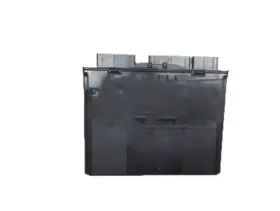
38320-TG7-A52 HONDA Tire Pressure Monitoring Receiver
| Brand | HONDA |
|---|---|
| Manufacturer Part Number | 38320-TG7-A52 |
| Part Type | PRESSURE TIRE RECEIVER |
| Genuine Oem | YES |
| Manufacturer Warranty | 1 YEAR |
| Fitment Type | DIRECT REPLACEMENT |
| Replaces Part Number | 38320-TG7-A51 |
Review HONDA Genuine Tire Pressure Monitoring System Receiver
The Honda 38320-tg7-a52 Tire Pressure Monitoring (TPM) Receiver is an innovative automotive accessory designed to enhance the safety and convenience of your driving experience. This receiver is specifically engineered for Honda vehicles equipped with the original factory TPM system, which may be missing or malfunctioning, to help keep tire pressure at optimal levels.
The compact TPM Receiver is approximately 1.4 inches in depth, 1.0 inch in width, and 0.7 inches in height, making it an unobtrusive addition to your vehicle's interior. It features a sleek, glossy black design that seamlessly blends in with most vehicle interiors.
The TPM Receiver is designed to monitor the tire pressure of all four tires, including the spare, and displays the information on your vehicle's dashboard via the OBD-II (On-Board Diagnostics) interface. Providing real-time tire pressure readings, this receiver ensures you are always aware of the status of your tires, enabling timely maintenance and potential fuel savings.
Moreover, the receiver boasts a low battery indicator, alerting you when the battery needs replacing, ensuring that you maintain a consistent and accurate tire pressure monitoring system. In addition, it is equipped with a reset function, allowing you to reset the personalized tire pressure setting feature.
This Honda TPM Receiver is an excellent investment for Honda vehicle owners seeking peace of mind and convenience on the road. It is easy to install, as it plugs directly into the OBD-II port, usually located under the dashboard of your vehicle. Safe, reliable, and convenient, the TPM Receiver is your ideal solution for maintaining optimal tire pressure and ensuring a smoother, safer ride.
The Honda TPMS (Tire Pressure Monitoring System) receiver 38320-tg7-a52 is a device designed to allow vehicles that do not have a built-in tire pressure monitoring system to monitor tire pressure in real-time. Below are some pros and cons of installing this system in your vehicle:
Pros:1. Improved Safety: The Honda TPMS receiver allows for early detection of underinflated tires, reducing the risk of tire damage, blowouts, and other safety hazards. With proper tire pressure, vehicles can handle better, ensuring a smoother and safer ride.
2. Fuel Efficiency: Correct tire pressure improves fuel economy by reducing the rolling resistance and improving vehicle performance. This can save you money on fuel costs over time.
3. Convenience: The system alerts you to any tire pressure issues as soon as they occur, allowing you to address them before they become serious problems. This can save you time and hassle in the long run, as you won't have to worry about constantly checking tire pressure manually.
4. Easy Installation: The Honda TPMS receiver is easy to install, with no drilling or complex wiring required. It can be set up in just a few minutes using the provided instructions and tools.
Cons:1. Cost: The Honda TPMS receiver may have an initial cost, including the price of the receiver, sensors, and installation. While the cost might be high, the long-term savings in fuel efficiency and safety may make it worthwhile.
2. Maintenance: TPMS sensors may need to be replaced every 5-7 years, adding to the system's ongoing maintenance costs. The Honda TPMS receiver may also require occasional battery replacements to ensure proper functionality.
3. false alarms: The TPMS system may sometimes trigger false alarms, indicating low tire pressure even when the tires are properly inflated. This can lead to unnecessary tire pressure adjustments and inconvenience.
Conclusion:The Honda TPMS receiver 38320-tg7-a52 offers several benefits, including early detection of tire pressure issues, improved safety, increased fuel efficiency, and convenience. However, it comes with some drawbacks, including an initial cost, ongoing maintenance costs, and the potential for false alarms. Ultimately, the decision to invest in a TPMS receiver depends on individual driving needs, budget, and preferences. If you value safety, convenience, and want to ensure optimal tire pressure maintenance, then the investment may be worthwhile.
Details:
Shipping carrier substitutions may be made at our determination in an attempt to reduce shipping cost the customer. Electrical parts are not returnable. Touring, elite. Parts must be resalable and in the original packaging.
Genuine Honda tire pressure monitoring system receiver 38320-TG7-A52: parts: smart control module.
specifications tirepressense:
- brand: Honda
- mpn: 38320-tg7-a52
- part type: Pressure Tire Receiver
- genuine oem: Yes
- manufacturer warranty: 1 Year
- fitment type: Direct Replacement
- replaces part number: 38320-tg7-a51
seller tirepressense:
- # reviews: 15
- city: fort lauderdale, florida
- rating: 94.1%
returns tirepressense:
- policy: no returns
offer tirepressense:
- options: ship-to-home
- in stock #: 5
- availability: in stock
- prices: $108.40–$134.90
- item condition:
- Used
- New
- started: january 25, 2025
- sold #: 29
shipping tirepressense:
- type: fixed
- transit: 4-10 days
- service: standard
- class: standard
general tirepressense:
- category: Auto Parts > Car Truck Accessories > Wheels, Tires > Pressure Monitoring Sensor
payments tirepressense:
- wallet: google-pay
- other
- credit card: visa
Similar Items:
- Honda 42753-stk-a04 2013 Pilot Tire Pressure Sensor Tpms Oem And Cflo Receipts are available upon request. There is no holding of items unless agreed upon. Miles: 216807. 2013 Honda pilot touring charcoal. First come first serve...(December 30th, 2023)
- Pacific 3729a-pmv107m 2008-2012 Honda Accord Tpms Tire Pressure Monitor Sensor Set Of 4 2008-2012 Honda accord 3729A-PMV107M toms tire pressure monitor sensor set of...(December 31st, 2023)
- Honda 39350snaa11 Used Tire Pressure Monitoring System Tpms Control Mod Fits 2010 Civic S Original parts mean a perfect fit. Suspension toms control dash. Parts go back into cars rather than landfill. Unless specified as universal this is a direct fit body control module. All parts are covered by warranty. Every part is cleaned, tested and inspected by experts...(January 3rd, 2024)
- Honda 39350-scv-a020-m1 03-11 Element Ex Oem Tire Pressure Monitor Computer Sensor 39350-scv 1142 5-SPEED manual transmission a/t ; all wheel drive 4WD. This item came from: 2010 Honda element ex, sport utility 4-DOOR SUV. About item: better to see something once than hear about it a thousand times. Mileage: 189,897 miles...(January 3rd, 2024)
- Honda 39350t0aa01 Used Tire Pressure Monitoring System Tpms Control Mod Fits 2012 Cr-v Su Original parts mean a perfect fit. All parts are covered by warranty. Parts go back into cars rather than landfill. Every part is cleaned, tested and inspected by experts...(January 3rd, 2024)
- Honda Paxpmv108m Tested One Acura 315 Mhz Tpms Tire Pressure Monitoring Sensor Item fitment. Item may fit other model's. Need fast shipping. If product doesn't fit your vehicle. FedEx ground. Within the 48 USA states. Item damaged or missing. If we send the wrong or defective item. Battery has been tested and status is good. Item must be unopened. USPS priority mail. How to ...(January 6th, 2024)
- Honda Paxpmv107g Tested One Acura 315 Mhz Tpms Tire Pressure Monitoring Sensor Item fitment. Need fast shipping. If product doesn't fit your vehicle. Within the 48 USA states. Item may fit other model's. Item must be unopened. Item damaged or missing. Battery has been tested and status is good. USPS priority mail. If we send the wrong or defective item. How to place/cancel an ...(January 6th, 2024)
- Honda Paxpmv108g Tested One Acura 315 Mhz Tpms Tire Pressure Monitoring Sensor Item must be unopened. If product doesn't fit your vehicle. FedEx ground. Item fitment. Battery has been tested and status is good. Need fast shipping. How to place/cancel an order. If we send the wrong or defective item. Item may fit other model's. USPS priority mail. Within the 48 USA states. Item...(January 7th, 2024)
- Honda Zpnvs61u003 Set Of 3 Tpms Tire Sensor 315 Mhz Vehicle make: Honda. Frequency: 315 MHz. 2005 - 2011 Honda civic...(January 11th, 2024)
- Honda 39350szaa01 Used Tire Pressure Monitoring System Tpms Control Mod Fits 2009 Pilot S Unless specified as universal this is a direct fit body control module. All parts are covered by warranty. Every part is cleaned, tested and inspected by experts. Suspension toms dash. Original parts mean a perfect fit. Parts go back into cars rather than landfill...(January 23rd, 2024)
- Honda 42753-tg7-a51 865731 Pilot 2016-2021 Tpms Tire Pressure Monitoring Oem Items may have signs of normal wear, scruffs, marks, dings, dents, damage, or scratches. The item will arrive as shown in the pictures. Please review the images provided to see condition of item. 42753-TG7-A51. Shipping and handling. Address available upon request. Fitment and compatibility. 1 piece...(January 31st, 2024)