- New & Used Truck/Car Tire Pressure Monitoring Sensors On Sale
- sku: 2323204804230693
- TOYOTA 897A0-12010
897A0-12010 TOYOTA Im Tpms Tire Pressure Receiver Unit Scion
fits model: Corolla. make: Scion.
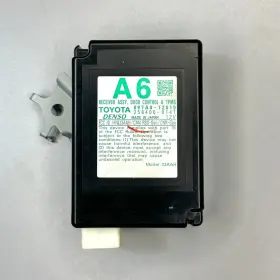
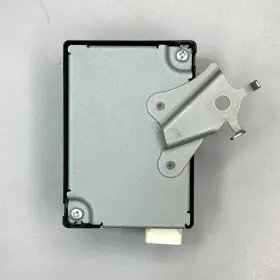
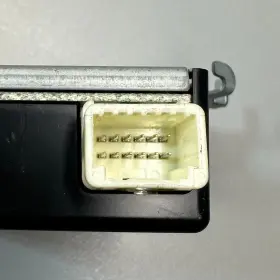
| Brand | TOYOTA |
|---|---|
| Manufacturer Part Number | 897A0-12010 |
| Part Type | PRESSURE TIRE RECEIVER UNIT |
| Sensor Type | TIRE PRESSURE MONITORING SENSOR |
| Features | EASY INSTALLATION |
| Material | METAL, PLASTIC |
| Country/region Of Manufacture | JAPAN |
| Placement On Vehicle | REAR |
Review TOYOTA Im Scion Tpms Tire Pressure Receiver Unit Oem for SCION COROLLA
The Toyota 897A0-12010 Corolla/Scion TPMS (Tire Pressure Monitoring System) Receiver Unit is a crucial component of maintaining optimal tire health and ensuring safe vehicular performance for your Corolla or Scion model year between 2007 to 2010. This factory original receiver unit directly integrates with your vehicle's existing TPMS system, allowing you to accurately monitor individual tire pressure levels in real-time.
Designated as an OEM (Original Equipment Manufacturer) component, it is engineered to ensure seamless compatibility with your Corolla or Scion vehicleto deliver precise and dependable tire pressure readings. The sleek, compact, and discreet design of this receiver unit allows for easy installation in your vehicle, while its robust build quality ensures durability and longevity.
Equipped with advanced technology, this TPMS Receiver Unit informs the driver with clear and concise low tire pressure warnings via the dashboard display. By monitoring tire pressure levels constantly, it helps prevent tire under-inflation or over-inflation, maintaining ideal tire performance and fuel efficiency, ultimately improving overall ride quality and vehicle safety.
Additionally, it is essential to note that using a non-OEM receiver unit may lead to inaccurate TPMS readings and a possible malfunction warning on your vehicle s dashboard, whenever the vehicle identifies a mismatch between the OEM and aftermarket parts. By utilizing the factory original Toyota 897A0-12010 Corolla/Scion TPMS Receiver Unit, you can rest assured that your tire pressure readings are accurate and dependable while adhering to your vehicle's factory specifications.
Pros and Cons of Buying a Toyota 897A0-12010 Corolla/Scion TPMS Tire Pressure Receiver Unit
The Toyota 897A0-12010 Corolla/Scion TPMS (Tire Pressure Monitoring System) Tire Pressure Receiver Unit is a crucial component for maintaining optimal tire pressure in your vehicle. This device helps ensure the longevity of your tires and improves fuel efficiency. Let's evaluate the key advantages and disadvantages of investing in this part.
Pros:1. Safety: The Toyota 897A0-12010 Corolla/Scion TPMS Tire Pressure Receiver Unit is designed to monitor tire pressure in real-time, alerting you when any tire drops below the suggested levels. By keeping your tires properly inflated, you not only promote safer driving conditions, but also reduce the potential for tire damage, blowouts, and unexpected tire failures.
2. Fuel Economy: Proper tire pressure is essential for maximizing your vehicle's fuel efficiency, as underinflated tires can result in increased friction, resulting in wasted energy and higher fuel consumption. The TPMS receiver unit helps you maintain the recommended tire pressure, ensuring your engine doesn't have to work harder than necessary to power your vehicle.
3. Longevity: Ensuring your tires are properly inflated reduces the risk of tire degradation. This is especially important in extreme temperatures and other adverse conditions that can put extra strain on your tires. By investing in a TPMS receiver unit, you'll extend the life of your tires, save money on frequent tire replacements, and improve the overall performance of your vehicle.
4. Convenience: The receiver unit allows you to monitor tire pressure from the comfort of your vehicle's dashboard, eliminating the need for manual tire pressure checks. This saves you time and effort, and provides you with peace of mind knowing that your tire pressure is always within the recommended range.
Cons:1. Cost: The Toyota 897A0-12010 Corolla/Scion TPMS Tire Pressure Receiver Unit may represent an additional expense for some vehicle owners. The cost may vary depending on the market, labor costs, and installation fees. However, the long-term benefits in terms of safety, fuel efficiency, and tire longevity can offset the initial investment.
2. Installation: Installing the Toyota 897A0-12010 Corolla/Scion TPMS Tire Pressure Receiver Unit may require some technical expertise. While professional installation can cost money, it ensures correct installation, and reduced diagnostic time and effort in the future. If you feel comfortable with do-it-yourself projects, you may save some money by installing it yourself, but be aware that potential installation errors can cause false tire pressure warnings or failure.
3. Limitations: TPMS units may have limitations, and the Toyota 897A0-12010 Corolla/Scion system is not an exception. They do not monitor tire temperature or provide information about tire wear. You will still need to periodically inspect your tires for signs of wear, such as cuts, bulges, or uneven tread.
Conclusion:The Toyota 897A0-12010 Corolla/Scion TPMS Tire Pressure Receiver Unit represents an investment in safety, fuel efficiency, and tire longevity. It comes with some disadvantages, such as an initial cost and potential limitations, but these are outweighed by the benefits it provides. In conclusion, the decision to buy a new Toyota 897A0-12010 Corolla/Scion TPMS Tire Pressure Receiver Unit depends on your budget, preference for quick and easy tire management, and the desire to ensure optimal tire pressure at all times. If safety, efficiency, and cost savings are your priorities, this TPMS unit is certainly a wise investment for your Corolla or Scion.
Details:
Might have signs of normal wear like scruffs, marks and scratches. 2016 Scion im. 2017 - 2018 Toyota Corolla im.
specifications tirepressense:
- for models: Corolla
- for makes: Scion
- brand: Toyota
- mpn: 897a0-12010
- part type: Pressure Tire Receiver Unit
- sensor type: Tire Pressure Monitoring Sensor
- features: Easy Installation
- material: Metal, Plastic
- country/region of manufacture: Japan
- placement on vehicle: Rear
shipping tirepressense:
- class: standard
- type: fixed
- service: standard
- transit: 4-8 days
general tirepressense:
- category: Auto Parts > Car Truck Accessories > Wheels, Tires > Pressure Monitoring Sensor
returns tirepressense:
- paid by: buyer
- time: 30 days
- policy: returns accepted
offer tirepressense:
- availability: in stock
- started: december 19, 2024
- sold #: 28
- options: ship-to-home
- in stock #: 5
- prices: $40.50–$65.99
- item condition: Used
payments tirepressense:
- credit card: mastercard
- wallet: apple-pay
- other
seller tirepressense:
- city: cary, illinois
- rating: 100.0%
- # reviews: 73
Similar Items:
- Toyota 8976912010 Used Tire Pressure Monitoring System Tpms Control Mod Fits 2013 Coroll Parts go back into cars rather than landfill. Suspension tpms dash. Original parts mean a perfect fit. Every part is cleaned, tested and inspected by experts. Computer includes the housing and all internal components unplugged at the first disconnect. All parts are covered by warranty. Inspect / ...(December 26th, 2023)
- Toyota 89760-35020 2005-2009 Tacoma Tire Pressure Monitoring System Receiver Oem All parts are used oem and in good working condition. Vehicle: class: PRERUNNER/4X4/CREW cab/automatic. Any attempt to disassemble the part will void warranty. Model: Tacoma. 2005 -2009 Toyota Tacoma tire pressure monitoring system receiver oem 89760-35020. Donor vehicle: Toyota. Engine: 4.0L...(December 27th, 2023)
- Toyota 89760-04020 2016-2023 Tacoma Tpms Tire Pressure Monitor Sensor Unit Part number s: 89760-04020 part/notes: please match part number to ensure compatibility...(December 28th, 2023)
- Toyota 897a006081 2018-2023 Camry Genuine Tpms Tire Pressure Monitor Module Oem 897a0-06081 It is sold as used and in good working condition. This is a genuine tpms tire pressure monitor module that compatible with 2018 -2023 Toyota Camry model's. The module comes with oe/oem part numbers 897A006080 / 897A0 06080 and manufacturer 897A006081 06081, it is designed to work tire pressure ...(December 29th, 2023)
- Toyota 89760-0c010 Oem Tire Pressure Monitoring Sensor For 2007-2011 Tundra Used but working as new. Msrp $546.80 from Toyota, also fits Toyota sequoia of similar years pulled a wrecked 2011 tundra to replace the one in my 2008 truck and soon discovered this part was not problem with tpms system. This unit had no issues and was working as expected, just looking to get ...(December 30th, 2023)
- Toyota 89769-06050 2008-2011 Camry Tpms Tire Pressure Monitor Control Module Oem 2008-2011 Toyota Camry tpms tire pressure monitor control module 89769-06050 OEMC2...(December 30th, 2023)
- Toyota 897a0-33011 2018-2019-2020 Camry Tpms Tire Pressure Monitor Sensor Unit 897a0-33010 2018-2019-2020 Toyota Camry tpms tire pressure monitor sensor unit 897A0-33010. Shipped with USPS ground advantage. Condition is used...(December 30th, 2023)
- Toyota 897a0-06061 Camry Tpms Tire Pressure Control Module 2018 2019 2020-2023 Condition is used. Shipped with USPS ground advantage. Toyota Camry tpms tire pressure control module 2018 2019 2020 -2023 897A0-06061...(December 31st, 2023)
- Toyota 89760-35042 Tire Pressure Monitor System Receiver For Ft10-ft23 Tacoma Oem This tire pressure monitor system receiver is compatible with 2010 -2023 Toyota Tacoma vehicles. It is an oem part with manufacturer numbers. The sensor type is a tire pressure monitoring sensor and it has features like easy installation, wired connection, direct fit. This receiver is designed to ...(December 31st, 2023)
- Toyota 89760-42020 2006 2010 Rav4 Tpms Tire Pressure Control Module Computer This tpms tire pressure monitoring sensor module is perfect for your 2006 -2010 Toyota RAV4. The module is an essential accessory to ensure your safety while driving. Module was removed from a 2008 RAV4 with engine problems. With this module, you can avoid any potential tire-related problems and ...(January 1st, 2024)
- Toyota 89760-0c020 2014-16 Tundra Tire Pressure Monitoring Sensor Oem Warranty period begins on the day part is delivered. Warranty is for replacement of the part only and does not include any towing, labor, fluids, seals or gaskets. All parts must be installed to manufacturers specifications. This part was taken off of. This listing is for a used oem part. The emblem...(January 3rd, 2024)