- New & Used Truck/Car Tire Pressure Monitoring Sensors On Sale
- sku: 2153582745027783
- FORD JX7Z-1A189-D
JX7Z-1A189-D FORD Tpms Sensor
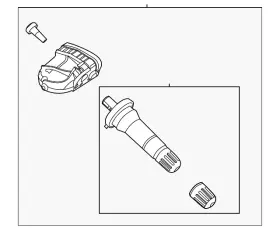
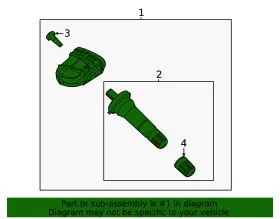
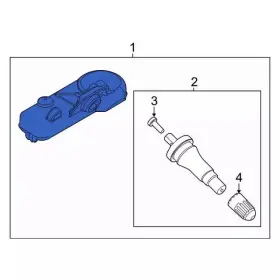
| Brand | FORD |
|---|---|
| Manufacturer Part Number | JX7Z-1A189-D |
| Model | TRANSIT-150 TRANSIT-250 TRANSIT-350 TRANSIT-350 |
| Part Type | SENSOR |
| Genuine Oem | YES |
| Manufacturer Warranty | 1 YEAR |
| Fitment Type | DIRECT REPLACEMENT |
| Year | 2020 2021 2022 2023 |
| Parts Included | ONLY PART REFERENCE 1 ON THE DIAGRAM IS INCLUDED |
Review FORD Genuine Tpms Sensor
The Ford JX7Z-1A189-D TPMS Sensor is a crucial component of the Tire Pressure Monitoring System (TPMS) in Ford vehicles. Designed specifically for Ford models, this sensor is engineered to ensure the accurate and consistent monitoring of tire pressure to enhance safety and improve vehicle performance.
The JX7Z-1A189-D sensor is a precision-engineered device that employs sophisticated electronics to continually measure the air pressure inside each tire and transmit this data to the vehicle's dashboard display or central monitoring system. Constructed from high-quality materials, the sensor offers a robust and reliable solution for maintaining optimal tire pressure, even in the most demanding driving conditions.
Measuring approximately 4.9 inches in length, 1.3 inches in width, and 0.9 inches in height, the JX7Z-1A189-D sensor is compact yet powerful. It features four color-coded sensors, each corresponding to one of the vehicle's tires, allowing for easy identification and maintenance. These sensors are encased in a durable, tamper-resistant, and waterproof housing, providing excellent protection against potential damage.
The sensor communicates with the vehicle's TPMS system using an encrypted signal, ensuring secure and uninterrupted data transfer. The advanced design of the JX7Z-1A189-D TPMS sensor also includes an auto-learning feature, which enables the system to recognize new tires or tire replacement and adapt accordingly.
In the event of under-inflation or over-inflation, the TPMS system alerts the driver with a notification on the dashboard, helping to prevent potential safety issues, such as reduced fuel efficiency, escalating tire damage, and lower overall vehicle performance.
By maintaining the correct tire pressure, the Ford JX7Z-1A189-D TPMS Sensor significantly enhances the safety and overall driving experience by improving vehicle stability, handling, and reducing the risk of tire failure. With its impressive design, reliability, and accurate measurement capabilities, this TPMS sensor is an essential addition to any Ford vehicle's maintenance regimen.
The Ford JX7Z-1A189-D TPMS sensor is a crucial component of the Tire Pressure Monitoring System (TPMS) in Ford vehicles. This sensor helps maintain optimal tire pressure for enhanced safety, fuel efficiency, and overall vehicle performance. However, like any automotive part, it has its pros and cons.
Pros:1. Enhances Safety: The primaryfunction of the TPMS sensor is to monitor tire pressure and alert drivers when there is a significant pressure loss in any tire. This feature helps prevent blowouts and ensures safe driving conditions.
2. Improves Fuel Efficiency: Proper tire inflation is vital for achieving optimal fuel economy. The Ford JX7Z-1A189-D TPMS sensor helps maintain the recommended tire pressure, contributing to better fuel efficiency.
3. Extends Tire Longevity: Maintaining the recommended tire pressure also ensures the even distribution of wear across the tire's surface. This factor can help prolong the lifespan of your tires.
4. Convenience: The TPMS system helps eliminate the need for manual pressure checks, allowing for a more convenient driving experience.
5. Increases Compliance: In many regions, it is mandatory for vehicles to have TPMS systems. Installing the Ford JX7Z-1A189-D TPMS sensor can help ensure regulatory compliance.
Cons:1. Cost: Replacing a TPMS sensor can be expensive, typically costing between $50 and $200 per sensor, depending on themake and model. For a Ford vehicle with multiple sensors, the cost can add up.
2. Diagnostic Challenges: Sometimes, diagnosing TPMS issues can be complex, requiring specialized equipment and technical knowledge. It's best to use an experienced mechanic or dealership when dealing with TPMS sensor problems.
3. Sensitivity: TPMS sensors can be sensitive to extreme temperatures, but this is typical for most systems. However, excessive sensitivity may lead to false readings or premature sensor failure.
4. Limitations: TPMS sensors may only provide information about tire pressure, not other critical tire conditions, such as tire tread depth or tire condition.
5. Frequent Battery Replacements: Some TPMS sensors may have batteries with limited life spans (around 3-5 years). Replacing these batteries can require professional assistance, leading to additional costs and potential downtime.
Conclusion:The Ford JX7Z-1A189-D TPMS sensor is an essential part of any Ford vehicle's TPMS system, providing numerous benefits, including driving safety, improved fuel efficiency, and extended tire longevity. While the cost of replacement and potential diagnostic challenges are drawbacks, the advantages of using a quality TPMS sensor generally outweigh the disadvantages. Regular maintenance and proper tire care, including monitoring tire pressure, can help minimize the need for frequent sensor replacements and offset some of the costs. Ultimately, investing in a reliable Ford JX7Z-1A189-D TPMS sensor is a wise decision for Ford vehicle owners seeking top performance, safety, and longevity.
Recommendation:When deciding whether to buy the Ford JX7Z-1A189-D TPMS sensor, consider factors such as your vehicle s make, model, and usage. It's crucial to prioritize your safety and driving experience by maintaining your TPMS system in prime condition. Installing a reliable and authentic sensor from a reputable supplier is recommended. A quality sensor will provide accurate readings, maintain your tires at optimal pressure, and enhance your overall driving experience. Additionally, regular tire pressure checks and proper tire maintenance can help minimize the frequency of sensor replacements and extend the life of your TPMS sensor and tires.
Details:
Parts must be resalable and in the original packaging. Shipping carrier substitutions may be made at our determination in an attempt to reduce shipping cost the customer. 315mhz, from 10/06/ 2021. From 09/04/ 2022.
Electrical parts are not returnable.
specifications tirepressense:
- brand: Ford
- mpn: Jx7z-1a189-d
- model: Transit-150 Transit-250 Transit-350 Transit-350
- part type: Sensor
- genuine oem: Yes
- manufacturer warranty: 1 Year
- fitment type: Direct Replacement
- year: 2020 2021 2022 2023
- parts included: Only Part Reference 1 On The Diagram Is Included
seller tirepressense:
- rating: 95.3%
- city: hamburg, pennsylvania
- # reviews: 72
offer tirepressense:
- started: december 12, 2024
- sold #: 29
- prices: $19.99–$46.37
- item condition: New
- availability: in stock
- options: ship-to-home
- in stock #: 5
general tirepressense:
- category: Auto Parts > Car Truck Accessories > Wheels, Tires > Pressure Monitoring Sensor
shipping tirepressense:
- service: ups ground, ups 2nd day air, ups next day air saver
- type: fixed
- class: standard, expedited, one-day
- carrier: ups
- transit: 4-8 days
payments tirepressense:
- other
- credit card: discover
- wallet: apple-pay
returns tirepressense:
- paid by: buyer
- time: 30 days
- policy: returns accepted
Similar Items:
- Ford F2gt-1a180-ac Set Of 5 Oem 315mhz Bronco Tire Pressure Monitor Sensor Tpms Set of 5 oem 315MHZ Ford bronco tire pressure monitor sensor tpms F2GT-1A180-AC, include spare...(December 28th, 2023)
- Fomo Hc3t-1a180-ab Set Of 4 Tire Pressure Sensor 315mhz Tpms 2017-20 Ford F-250 F-350 Set of 4 tire pressure sensor 315MHZ tpms HC3T-1A180-AB 2017 - 2020 Ford F-250 F-350, tested OK...(December 29th, 2023)
- Ford 9t1z15k602b Used Tire Pressure Monitoring System Tpms Control Mod Fits 2011 Fiesta S Original parts mean a perfect fit. Every part is cleaned, tested and inspected by experts. Suspension tpms LHS quarter mounted id 9T1T-15K602-AD. Unless specified as universal this is a direct fit body control module. L4 gas naturally aspirated. Parts go back into cars rather than landfill. All ...(January 10th, 2024)
- Carsure Cm5t1a180aa 4pcs Tpms Sensor For 2010 Ford F150 F-150 Set 9l3z1a189a De8t1a180aa 4PCS tpms sensor for 2010 Ford F150 F-150 set 9L3Z1A189A DE8T1A180AA new 315 MHz sensor set for vehicles. Set of 4 tpms sensors with rubber snap in valve stems...(January 15th, 2024)
- Fomoco Jx7t1a189aa Ford Escape Tpms Tire Pressure Monitoring System Sensor Oem 2020 Donor vehicle: 2020 Ford escape SLE 2.0L AWD automatic transmission. Color: white AZ-star metallic Teri-coat exterior / black/beige en-sandstone interior. Mileage: 4k miles. Products sold in quantities will show a single image representing the others equal or greater condition...(January 15th, 2024)
- Fomoco Jx7t1a180aa Ford Escape Tpms Tire Pressure Monitoring System Sensor Oem 2020 2022 Donor vehicle: 2021 Ford escape se 1.5 l AWD automatic transmission. Mileage: 3k miles. Products sold in quantities will show a single image representing the others equal or greater condition. Color: blue E7-VELOCITY metallic exterior / black/gray 4H-DARK earth gray interior...(January 16th, 2024)
- Ford Debt-1a180-aa Set Of 4 Tpms Tire Pressure Sensors For 2009-2014 F150 Oem This listing is for a set of 4 oem Ford tpms sensors includes new valve stems fits 2009 -2014 F150 tested and in good working order part # DEBT-1A180-AA / CM5T-1A180-AA please refer to all photos for more details. Item brand: Ford...(January 16th, 2024)
- Ford Gl3t1a180gb Expedition Tire Pressure Monitor System Sensor Tpms Oem 2018 2021 Color: white GU-white platinum metallic Teri-coat exterior / black eh-ebony interior. Products sold in quantities will show a single image representing the others equal or greater condition. Mileage: 60K miles. Donor vehicle: 2019 Ford expedition limited 3 .5L 4X4 automatic transmission...(January 18th, 2024)
- Ford Jx7t1a180ea Escape Tpms Tire Pressure Monitoring System Sensor Oem 2020 2023 Mileage: 1k miles. Color: black um-agate metallic exterior / HM-ebony interior. Donor vehicle: 2023 Ford escape st-line 1 .5L AWD automatic transmission. Products sold in quantities will show a single image representing the others equal or greater condition...(January 19th, 2024)
- Ford F2gt1a180ad Edge Tpms Tire Pressure Monitoring System Sensor Oem 2015 2023 Mileage: 5k miles. Products sold in quantities will show a single image representing the others equal or greater condition. Donor vehicle: 2022 Ford edge titanium 2.0L AWD automatic transmission. Color: blue B3-ATLAS metallic exterior / black Le-ebony interior...(February 7th, 2024)
- Ford Gb5t-18d816-ch 2016-2022 Explorer Tpms Tire Pressure Monitoring System Receiver Module Oem Transmission: 6-SPEED automatic 6F50. Drive type: four wheel 4WD. Donor vehicle: 2019 Ford explorer XLT. Engine: 3.5L v6 diuretic ti-VCR gas...(February 15th, 2024)