- New & Used Truck/Car Tire Pressure Monitoring Sensors On Sale
- sku: 2393134333188532
- STANDARD TPM109A
TPM109A STANDARD Intermotor Tpms Sensor
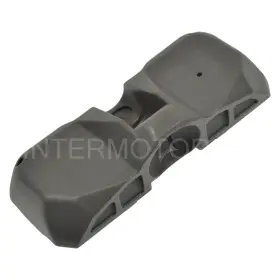
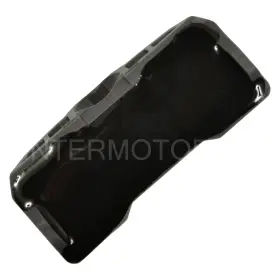
| Brand | STANDARD |
|---|---|
| Manufacturer Part Number | TPM109A |
| Part Type | SENSOR |
| Features | LOW-POWER WAKEUP TIMER AND PERIODIC RESET DRIVEN BY LOW-FREQUE, EXTENDS BATTERY LIFE, AND MAINTAINS OPTIMUM PERFORMANCE LEVELS NBSP; |
| Item Height | 1.160 |
| Item Length | 2.880 |
| Item Width | 1.500 |
| UPC | 727943183507 |
Low-power wakeup timer and periodic reset driven by low-freque, extends battery life, and maintains optimum performance levels.
;&Lt, mpn: TPM109A, item height : 1.160, item length : 2.880, item width : 1.5 upc: 727943183507.
Review STANDARD Intermotor Tpms Sensor
The TPMS sensor, specifically the STANDARD TPM109A model from Intermotor, is a crucial component in ensuring optimal tire pressure in vehicles equipped with a Tire Pressure Monitoring System (TPMS). This sensor is designed to monitor the pressure and temperature conditions of tires in real-time and transmit this data to the vehicle's dashboard display.
The TPM109A sensor comes with a robust, durable design, ensuring reliable performance even under extreme weather conditions. The sensor utilizes a high-quality, sensitivity-enhanced strain gauge that detects tiny changes in tire pressure and temperature, enabling early and accurate detection of potential tire issues. The sensor housing is made of strong, impact-resistant material that shields the sensitive components from external damage.
This sensors operates on a battery-powered system, providing an extended battery life that can last up to 10 years. When the battery life nears its end, the vehicle's dashboard will display a low tire pressure warning light, indicating the need for replacement. The sensor uses a fail-safe mechanism to communicate with the vehicle when the battery is running low, ensuring continuous tire pressure monitoring even at the end of its life cycle.
The STANDARD TPM109A sensor utilizes the newest encryption and communication protocols, providing added security and protection against unauthorized access or manipulation. The attached 315MHz antenna enables efficient and stable communication between the sensor and the vehicle's TPMS module. The sensor's universal design allows it to be installed on a wide range of vehicle makes and models.
The TPM109A sensor is an essential component in maintaining tire health, improving fuel efficiency, and enhancing overall vehicle safety. By continuously monitoring tire pressure, this sensor helps drivers maintain the correct pressure levels, reducing the risk of tire damage, improving tire wear, and increasing the overall lifespan of the tires.
Pros and Cons of Buying a Standard TPMS Sensor (TPM109A Intermotor)
A. Introduction
fresh brand-new set of standard TPMS sensors, in particular the TPM109A Intermotor, can be an economical solution for those seeking to fix their Tire Pressure Monitoring System (TPMS) without incurring the cost of dealer-level repairs. To help you make an informed decision, this analysis will weigh the advantages and drawbacks of investing in a standard TPMS sensor.
B. Pros of Buying a Standard TPMS Sensor (TPM109A Intermotor)
1. Cost-effective: A standard TPMS sensor (TPM109A Intermotor) is generally more affordable than the sensors sold by dealerships. This is due to the absence of branding and additional features that inflate the price.
2. Self-installation: They are designed for DIY installation, allowing vehicle owners to save on labor costs by performing the replacement themselves or having a mechanic with the right expertise handle it.
3. Availability: Standard TPMS sensors are widely available from retailers, making them easily accessible and convenient to purchase without the need to book an appointment with a dealership.
C. Cons of Buying a Standard TPMS Sensor (TPM109A Intermotor)
1. Lack of diagnostic tools: Some vehicles may have complex TPMS systems, which might not be compatible with all diagnostic tools. This could result in a lengthy trial-and-error process when attempting to program the sensors at home.
2. Risk of compatibility issues: There is a chance that the TPM109A Intermotor may not automatically calibrate with the existing sensors in the vehicle, requiring a vehicle scan tool or service from a professional to properly register the new sensors.
3. Limited warranty: The warranty for standard TPMS sensors is typically shorter and less comprehensive than those offered by dealerships. You may want to ensure that you purchase a reliable brand and that the new sensors have a decent warranty length.
D. Conclusion
After evaluating the pros and cons of purchasing a standard TPMS sensor, such as the TPM109A Intermotor, it is clear that these sensors offer an economical alternative for those seeking to fix their TPMS issues. However, vehicle owners should also carefully consider the risk of compatibility issues, limited diagnostic tools, and reduced warranty coverage before making the purchase. To ensure a successful installment, it is recommended to thoroughly research the compatibility of the sensors with your specific vehicle model and to have the necessary tools and expertise for a hassle-free installation process.
E. Recommendation
It is recommended that potential sensor buyers weigh the pros and cons carefully before deciding on a standard TPMS sensor. Consider your comfort level with DIY projects, the availability and expertise of a trusted mechanic, and the warranty coverage. Do your due diligence in selecting a reliable brand and installing the sensors with the right tools and expertise to ensure proper calibration and functioning of the TPMS system in your vehicle.
Details:
Mounting method: screw-in. Without hardware. Valve stem material: oem.
Intermotor tpms sensor by Standard. Tire pressure monitoring system - tpms sensor; intermotor ; OE replacement; 433 MHz; gray; single. Frequency: 433 MHz. Brands tpms product line is no different.
Oem replacement for. All Standard products have one thing in common they offer the best possible performance and dependability. Radio frequency MHz: 433 mega hertz . Programmable: no.
Each product is rigorously tested to meet brands strict quality Standards. Standard TPM109A - intermotor tpms sensor. Intermotor is a complete engine management import line that includes ignition and electrical relays, switches sensors with concentration on menu. Low-power wakeup timer and periodic reset driven by low-frequency output LIFO maximizes shelf life, extends battery maintains optimum performance levels.
Type: oem replacement. Includes valve stem: no. Quantity: single. Install sensor and follow the oem factory relearn procedure.
Mounting type: screw-in.
specifications tirepressense:
- brand: Standard
- mpn: Tpm109a
- part type: Sensor
- features: Low-power Wakeup Timer And Periodic Reset Driven By Low-freque, Extends Battery Life, And Maintains Optimum Performance Levels Nbsp;
- item height: 1.160
- item length: 2.880
- item width: 1.500
- upc: 727943183507
returns tirepressense:
- time: 30 days
- paid by: seller
- policy: returns accepted
general tirepressense:
- category: Auto Parts > Car Truck Accessories > Wheels, Tires > Pressure Monitoring Sensor
payments tirepressense:
- wallet: paypal
- other
- credit card: visa
shipping tirepressense:
- class: Standard
- type: fixed
- service: Standard
- transit: 5-9 days
seller tirepressense:
- rating: 97.0%
- # reviews: 44856
- city: saint paul, minnesota
offer tirepressense:
- availability: in stock
- options: ship-to-home
- in stock #: 5
- sold #: 24
- started: december 22, 2024
- prices: $43.38–$46.82
- item condition: New
Similar Items:
- Tireminder Tm22143 Tire Minder Tpms-i10-10-4 Standard Transmitters Rv Kit Used but works perfectly...(January 7th, 2024)
- Standard Motor Products Tpm118a Tpms Sensor-tire Pressure Monitoring System Sensor Infiniti Infiniti tpms censor came off a Infiniti Q60 let me know I need gone...(January 22nd, 2024)
- Standard Motor Products Tpm305 Used Tpms Tire Pressure Sensors Honda Acura Lot Of 39 Pieces Deal 42753-TZ3-A51. 42753-TL2-A52. Used tpms tire pressure sensors Honda aura lot of 39 pieces deal. 42753-T6N-A01...(March 30th, 2024)
- Standard Ignition Tpm3002k4 Tire Pressure Monitoring System Oe Design Sensor Made of high-quality components for durability, reliability, and performance. Designed specifically for trucks, trailers, and buses. Engineered with a factory-like design for effortless installation, ensuring perfect match your vehicle. Manufactured following strict OE Standards to work like the ...(November 3rd, 2024)
- Standard Tpm54a Tpms Sensor-tire Pressure Monitoring System Sensor Quantity needed. When opening a return, please state the reason for year, make and model of vehicle you purchased part. Tire pressure monitoring system tpms sensor. Tire pressure monitoring system sensor. This part fits vehicles made in the following years 2008 ,2009,2010,2011,2012. 5S7380, 72-2643...(November 4th, 2024)
- Standard Tpm204 For Ram 1500 2014-2015 Tpms Sensor W Rubber Valve Stem Notes: no programming required. Nickel coated. Tpms product line is no different. Undergoes extensive testing - including operational temperature, thermal shock, extreme humidity, frost, proof pressure, rapid deflation, contamination, salt fog, drop, centrifugal force vehicle speed, mechanical ...(November 4th, 2024)
- Standard Tpm22a For Ford Explorer 2002-2005 Tpms Sensor Z-axis or duel X-axis accelerates on ic chip ensure more precise readings tire positions and rotational direction. Mounting method: clamp-in. Torque: 44 in/lbs. Features: pre-programmed at the factory with exact OE protocol, so its ready to be installed and OE-relearned out of box. Specifications: ...(November 6th, 2024)
- Standard Tpm370 Tpms Sensor With Rubber Valve Frequency: 433 MHz. Replacement: yes. Direct OE replacement matches fit, form, and function, ensuring performance durability. Battery -powered: yes. Each product is rigorously tested to meet strict quality Standards. Pre-programmed at the factory, so its ready to be installed and OE-relearned out of...(November 8th, 2024)
- Standard Tpm6000 Intermotor Tpms Receiver Founded in 1919, Standard is an indisputable leader engine management products. Standard TPM6000 - intermotor tpms receiver.: intermotor tpms receiver by Standard. Tire pressure monitoring system - tpms receiver; Standard ; OE replacement. All Standard products have one thing in common they offer ...(November 8th, 2024)
- Standard Ignition Tpm349 Intermotor Tire Pressure Monitoring System Oe Design Engineered with a factory-like design for effortless installation, ensuring perfect match your vehicle. Manufactured following strict OE Standards to work like the original component. Made of high-quality components for durability, reliability, and performance. Standard ignition TPM349 intermotor ...(November 10th, 2024)
- Standard Ignition Tpm9014 Tire Pressure Monitoring System Tpms Sensor Service Standard ignition TPM9014 tire pressure monitoring system tpms sensor service kit: part number: manufacturer. Made of high-quality components for durability, reliability, and performance. Engineered with a factory-like design for effortless installation, ensuring perfect match your vehicle. ...(November 10th, 2024)