- New & Used Truck/Car Tire Pressure Monitoring Sensors On Sale
- sku: 3106682288714623
- STANDARD TPM178
TPM178 STANDARD Intermotor Tpms Sensor Valve Stem Nissan
fits model: Altima. make: Nissan. year: 2013–2015.
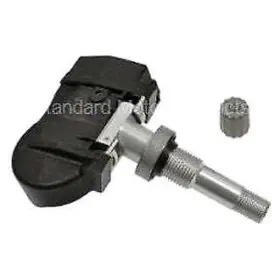
| Brand | STANDARD |
|---|---|
| Manufacturer Part Number | TPM178 |
| Part Type | VALVE SENSOR |
| Product Type | TPMS SENSORS |
| UPC | 727943380739 |
| Fitment Type | VEHICLE SPECIFIC |
| Partslink Number | 407003JA0A, 407003JA0B |
| Compatible Make S | NISSAN, INFINITI |
| Compatible Model S | ALTIMA, PATHFINDER, QX60, JX35 |
| Product Subtype | TIRE PRESSURE MONITORING SYSTEM SENSORS |
| Material | NICKEL COATED |
Review STANDARD For Nissan Intermotor Tpms Sensor Metal Valve Stem for NISSAN ALTIMA 2013–2015
The TPMS (Tire Pressure Monitoring System) sensor valve stem, specifically the standard TPM178 for Nissan Altima models from the years 2013 to 2015, is an essential component of your vehicle's tire pressure monitoring functionality. This sensor is meticulously designed to ensure optimal tire performance and maintenance by continuously monitoring the air pressure in each tire and alerting the driver when any deviation from the recommended level occurs.
The TPM178 is a state-of-the-art, battery-operated sensor that communicates with the vehicle's on-board computer system via radio frequency technology. Constructed with high-quality materials, this sensor is robust and weather-resistant, capable of withstanding the rigors of driving in various roads and climates.
The sensor consists of a valve stem assembly where the air pressure is measured inside the tire. With a sleek, compact design, the TPM178 ensures minimal impact on the overall tire profile and rolling resistance. The sensor goes through a rigorous calibration process during the manufacturing phase to ensure the most accurate and precise tire pressure readings.
The sensor's battery is designed to last the lifespan of the tire, typically around 5 to 10 years. When the battery needs replacement, the TPMS warning light on the dashboard will illuminate, signaling the driver to have the sensor checked and replaced by a professional technician. Installing a new TPM178 involves changing out the old sensor, which is a straightforward process that can usually be carried out by a certified mechanic or tire specialist.
Finally, the TPM178 is Japan-imported and designed to be a direct-fit replacement for Nissan Altima models from 2013 to 2015, ensuring a seamless installation and perfect fitment. It is an essential component for maintaining the safety, performance, and longevity of your vehicle's tires, and investing in a high-quality OEM part such as this TPM178 will bring you peace of mind and a more enjoyable driving experience.
Pros and Cons of Buying a Standard TPM178 Intermotor TPMS Sensor for a Nissan Altima (13-15)
Introduction:The TPM178 intermotor TPMS sensor is a crucial component of your Nissan Altima's tire pressure monitoring system. This part may require replacement from time to time due to its sensor's failing efficiency or tire rotation. In this analysis, we will discuss the advantages and disadvantages of purchasing a standard or aftermarket TPM178 intermotor TPMS sensor for your Nissan Altima.
Pros:1. Cost savings: A standard TPM178 sensor is typically less expensive compared to an OEM (Original Equipment Manufacturer) or dealer-supplied part. Aftermarket parts come at lower prices, making it an attractive choice for vehicle owners who prefer cost-effective solutions.
2. Readily available: Standard TPM178 sensors can be easily found in automotive supply stores or purchased online through e-commerce platforms, making them a convenient option for DIY car enthusiasts and home mechanics.
3. Customizability: Aftermarket sensors often come in various brands and variations, allowing vehicle owners to pick the brand they trust or the sensor that best fits their budget.
Cons:1. Quality concerns: The main disadvantage of purchasing a standard TPM178 sensor is the risk of receiving a substandard or counterfeit part. To mitigate this risk, be sure to buy from a reputable supplier to ensure the part's reliability and authenticity.
2. Compatibility issues: There might be cases where standard TPM178 sensors do not perfectly match the exact specification of your vehicle, leading to compatibility concerns or system errors. Double-check the sensor's compatibility with your specific Nissan Altima model and year before purchase to avoid such problems.
3. Installation complexity: For vehicle owners who are not confident in their mechanical skills, installing a new TPM178 sensor can be a challenging process. Consulting a professional mechanic is advisable, as a flawed installation could potentially cause more significant issues.
Conclusion:When deciding whether to purchase a standard TPM178 intermotor TPMS sensor for your Nissan Altima (13-15), it's essential to weigh the advantages and disadvantages carefully. While purchasing a standard sensor can save you money, the potential risks (e.g., quality concerns and compatibility issues) can lead to increased costs and complications down the line. To maximize benefits and minimize risks, it is recommended to:
1. Verify compatibility with your specific Nissan Altima model and year.
2. Purchase from a reputable and trusted supplier for parts authenticity and reliability.
3. Seek professional advice or assistance from an experienced mechanic for installation to ensure proper functioning.
Recommendation:Considering the pros and cons, if you have confidence in your mechanical skills, the requisite research, and can guarantee a reliable and trusted aftermarket sensor supplier, purchasing a standard TPM178 sensor can be a budget-friendly and feasible solution. However, if the risks outweigh your cost savings, it may be wiser to opt for a certified OEM sensor from a Nissan dealership for added peace of mind.
Always remember that the safety and performance of your vehicle should not be compromised for the sake of cost savings. take care of your Nissan Altima!
Details:
Brands tpms product line is no different. Each product is rigorously tested to meet brands strict quality Standards. Notes: no programming required. Specifications: warranty: 36,000 miles/3 years.
Intermotor tpms sensor with metal valve stem TPM178 by Standard. Unique id cloning functionality allows you to clone/copy unique from one sensor another. Nickel coated. Frequency: 433 MHz.
Mounting method: screw-in. External crystal oscillator provides frequency stability and more accurate ranges, ensuring reliable communications between sensors vehicle receivers. Validated at independent lab during 168-hour on-vehicle live test. Install sensor and follow the oem factory relearn procedure.
Low-power makeup timer and periodic reset driven by low-frequency output LIFO maximizes shelf life, extends battery maintains optimum performance levels. Features: pre-programmed at the factory with exact OE protocol, so its ready to be installed and OE-relearned out of box. Z-axis or duel X-axis accelerates on ic chip ensure more precise readings tire positions and rotational direction. Undergoes extensive testing including operational temperature, thermal shock, extreme humidity, frost, proof pressure, rapid deflation, contamination, salt fog, drop, centrifugal force vehicle speed, mechanical vibration tests to ensure durability.
With hardware.
specifications tirepressense:
- for models: Altima
- for makes: Nissan
- for years: 2013–2015
- brand: Standard
- mpn: Tpm178
- part type: Valve Sensor
- product type: Tpms Sensors
- upc: 727943380739
- fitment type: Vehicle Specific
- partslink number: 407003ja0a, 407003ja0b
- compatible make s: Nissan, Infiniti
- compatible model s: Altima, Pathfinder, Qx60, Jx35
- product subtype: Tire Pressure Monitoring System Sensors
- material: Nickel Coated
payments tirepressense:
- credit card: mastercard
- wallet: google-pay
- other
seller tirepressense:
- rating: 87.0%
- # reviews: 13089
- city: carson, california
general tirepressense:
- category: Auto Parts > Car Truck Accessories > Wheels, Tires > Pressure Monitoring Sensor
shipping tirepressense:
- transit: 4-9 days
- class: Standard
- service: fedex ground or fedex home delivery
- type: calculated
- carrier: fedex
returns tirepressense:
- paid by: seller
- policy: returns accepted
- time: 30 days
offer tirepressense:
- availability: in stock
- in stock #: 5
- started: january 25, 2025
- options: ship-to-home
- sold #: 21
- prices: $49.95–$61.96
- item condition: New
Similar Items:
- Tireminder Tm22143 Tire Minder Tpms-i10-10-4 Standard Transmitters Rv Kit Used but works perfectly...(January 7th, 2024)
- Standard Motor Products Tpm118a Tpms Sensor-tire Pressure Monitoring System Sensor Infiniti Infiniti tpms censor came off a infiniti Q60 let me know I need gone...(January 22nd, 2024)
- Standard Motor Products Tpm305 Used Tpms Tire Pressure Sensors Honda Acura Lot Of 39 Pieces Deal 42753-TZ3-A51. 42753-TL2-A52. Used tpms tire pressure sensors Honda aura lot of 39 pieces deal. 42753-T6N-A01...(March 30th, 2024)
- Standard Ignition Tpm3002k4 Tire Pressure Monitoring System Oe Design Sensor Made of high-quality components for durability, reliability, and performance. Designed specifically for trucks, trailers, and buses. Engineered with a factory-like design for effortless installation, ensuring perfect match your vehicle. Manufactured following strict OE Standards to work like the ...(November 3rd, 2024)
- Standard Tpm54a Tpms Sensor-tire Pressure Monitoring System Sensor Quantity needed. When opening a return, please state the reason for year, make and model of vehicle you purchased part. Tire pressure monitoring system tpms sensor. Tire pressure monitoring system sensor. This part fits vehicles made in the following years 2008 ,2009,2010,2011,2012. 5S7380, 72-2643...(November 4th, 2024)
- Standard Tpm204 For Ram 1500 2014-2015 Tpms Sensor W Rubber Valve Stem Notes: no programming required. Nickel coated. Tpms product line is no different. Undergoes extensive testing - including operational temperature, thermal shock, extreme humidity, frost, proof pressure, rapid deflation, contamination, salt fog, drop, centrifugal force vehicle speed, mechanical ...(November 4th, 2024)
- Standard Tpm22a For Ford Explorer 2002-2005 Tpms Sensor Z-axis or duel X-axis accelerates on ic chip ensure more precise readings tire positions and rotational direction. Mounting method: clamp-in. Torque: 44 in/lbs. Features: pre-programmed at the factory with exact OE protocol, so its ready to be installed and OE-relearned out of box. Specifications: ...(November 6th, 2024)
- Standard Tpm370 Tpms Sensor With Rubber Valve Frequency: 433 MHz. Replacement: yes. Direct OE replacement matches fit, form, and function, ensuring performance durability. Battery -powered: yes. Each product is rigorously tested to meet strict quality Standards. Pre-programmed at the factory, so its ready to be installed and OE-relearned out of...(November 8th, 2024)
- Standard Tpm6000 Intermotor Tpms Receiver Founded in 1919, Standard is an indisputable leader engine management products. Standard TPM6000 - intermotor tpms receiver.: intermotor tpms receiver by Standard. Tire pressure monitoring system - tpms receiver; Standard ; OE replacement. All Standard products have one thing in common they offer ...(November 8th, 2024)
- Standard Ignition Tpm349 Intermotor Tire Pressure Monitoring System Oe Design Engineered with a factory-like design for effortless installation, ensuring perfect match your vehicle. Manufactured following strict OE Standards to work like the original component. Made of high-quality components for durability, reliability, and performance. Standard ignition TPM349 intermotor ...(November 10th, 2024)
- Standard Ignition Tpm2106vk4 Tire Pressure Monitoring System Oe Design Valve Designed specifically for trucks, trailers, and buses. Standard ignition TPM2106VK4 tire pressure monitoring system OE design valve: part number: manufacturer. Engineered using the latest technology to ensure product lasts longer in service. Manufactured following strict OE Standards to work like ...(November 10th, 2024)