- New & Used Truck/Car Tire Pressure Monitoring Sensors On Sale
- sku: 2793279292430603
- INTERMOTOR TPM1A
TPM1A INTERMOTOR Tpms Tire Pressure Sensor Monitoring
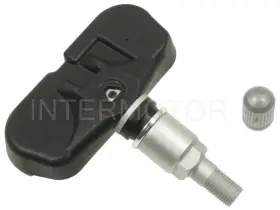
| Brand | INTERMOTOR |
|---|---|
| Manufacturer Part Number | TPM1A |
| Manufacturer Warranty | 1 YEAR |
| Type | TIRE PRESSURE MONITORING SYSTEM |
Review INTERMOTOR Tpms Sensor-tire Pressure Monitoring System Sensor
The Intermotor TPM1A Tire Pressure Monitoring System (TPMS) sensor is an essential component of maintaining optimal tire performance and safety in modern automobiles. This remarkable sensor is engineered to accurately monitor the air pressure within your tires, alerting you when the pressure values fall outside the manufacturer's recommended range.
The compact and robust design of the Intermotor TPM1A ensures that it can withstand the rigors of vehicular use effectively. It is compatible with various vehicles and can be easily installed on its own or as part of a larger TPMS system. This sensor communicates wirelessly and sends the tire pressure data in real-time to the vehicle's TPMS dashboard display.
Each Intermotor TPM1A sensor utilizes advanced pressure and temperature sensing technologies to ensure precision and reliability. The solid-state design and durable construction offer extended battery life, minimizing the need for frequent replacements. The sensor's hermetically sealed design provides protection against moisture and other environmental factors that can affect sensor performance.
The TPM1A sensor incorporates a self-diagnostic feature, which enables it to constantly assess its own health and report any faults to the vehicle's TPMS system. It also provides a confirmation of proper sensor functionality whenever the vehicle's engine is started.
When tire pressure falls below or surpasses the recommended range, the Intermotor TPM1A sends an alert to the vehicle's dashboard display, allowing the driver to take corrective action and maintain proper inflation levels. This, in turn, can lead to improved fuel efficiency, extended tire lifespan, and enhanced overall driving experience.
Installing the Intermotor TPM1A sensor is simple and convenient. It comes complete with mounting hardware to ensure a secure fit on the tire's wheel. The user-friendly reset procedure enables quick and hassle-free registration of the new sensor with the vehicle's TPMS system.
In conclusion, the Intermotor TPM1A Tire Pressure Monitoring System sensor is a vital tool for maintaining tire safety and overall vehicle performance. By constantly monitoring tire pressure levels and alerting the driver when necessary, it contributes to improved fuel efficiency, longer-lasting tires, and a more enjoyable driving experience.
Pros and Cons of Buying Intermotor TPM1A TPMS Sensor
1. Pros of Buying Intermotor TPM1A TPMS Sensor:a. Improved Safety: A TPMS sensor like the Intermotor TPM1A can help prevent under-inflated tires, which can lead to premature tire wear, poor fuel efficiency, and increased risk of tire blowouts. It alerts drivers when tire pressure falls below the recommended level, ensuring optimal tire pressure for safe driving.
b. Compatibility: The Intermotor TPM1A TPMS sensor is compatible with a broad range of vehicle makes and models, making it a versatile option for drivers. This versatility can save time and money as it eliminates the need for purchasing multiple sensors for different cars.
c. Easy Installation: This sensor is relatively easy to install compared to factory sensors, making it a popular choice for vehicle owners who prefer doing their car repairs at home. The sensor can be programmed using a scan tool or a smartphone application for added convenience.
2. Cons of Buying Intermotor TPM1A TPMS Sensor:a. Learning Curve: To get the most out of this sensor, users may need to invest time in learning how to program and monitor the sensors correctly. This learning curve can be a barrier for some users, particularly those who are not tech-savvy or are unfamiliar with tire pressure monitoring systems.
b. Build Quality Concerns: Some customers have reported issues with the build quality of the Intermotor TPM1A sensor, including sensor failures and malfunctions. This can lead to frustration and additional costs for replacement sensors.
c. Installation Complexity: Although the installation process is generally simple, some users may find it challenging to correctly mount the sensors on their rims or deal with the wiring. Accurate placement and correct installation are crucial for the sensor to function properly.
Conclusion:The Intermotor TPM1A TPMS sensor offers several benefits, including improved safety and compatibility. However, potential drawbacks include a learning curve, build quality concerns, and installation complexity. Weighing the pros and cons, the decision to purchase this sensor ultimately depends on personal preferences, technical skills, and the value placed on safety and convenience. If a driver is comfortable with the learning process and the potential issues, they may find this sensor a suitable and cost-effective solution for their tire pressure monitoring needs.
Recommendation:Prospective buyers are urged to consider their technical skills, vehicle compatibility, safety priorities, and budget when deciding whether or not to purchase the Intermotor TPM1A TPMS sensor. Shoppers might also benefit from reviewing online forums and customer feedback to gain a better understanding of the sensor's performance and reliability. For those seeking a more user-friendly and potentially more reliable option, they might consider investing in a factory sensor or a sensor from a well-known brand with a good reputation.
Details:
This part fits vehicles made in the following years 2007 ,2008,2009,2010,2011,2012,2013,2014,2015. Part numbers. Soft fork is a distributor of new and remanufactured auto truck parts. Orders ship from 20 major metropolitan markets in the us.
Tire pressure monitoring system tpms sensor.
specifications tirepressense:
- brand: Intermotor
- mpn: Tpm1a
- manufacturer warranty: 1 Year
- type: Tire Pressure Monitoring System
shipping tirepressense:
- service: standard
- class: standard
- transit: 4-10 days
- type: fixed
offer tirepressense:
- prices: $27.74–$51.95
- item condition: New
- availability: in stock
- options: ship-to-home
- in stock #: 5
- started: january 11, 2025
- sold #: 21
general tirepressense:
- category: Auto Parts > Car Truck Accessories > Wheels, Tires > Pressure Monitoring Sensor
returns tirepressense:
- paid by: buyer
- policy: returns accepted
- time: 30 days
seller tirepressense:
- rating: 98.6%
- city: brook park, ohio
- # reviews: 8500
payments tirepressense:
- other
- credit card: discover
- wallet: paypal
Similar Items:
- Intermotor Tpm47a Tpms Sensor-tire Pressure Monitoring System Sensor Tpms sensor-tire pressure monitoring system tpms sensor Intermotor TPM47A, box is in poor condition, sensor may have been installed, new old stock. Items are stored in a climate controlled low humidity environment...(March 15th, 2024)
- Standard Tpm6000 Intermotor Tpms Receiver Founded in 1919, standard is an indisputable leader engine management products. Standard TPM6000 - Intermotor tpms receiver.: Intermotor tpms receiver by standard. Tire pressure monitoring system - tpms receiver; standard ; OE replacement. All standard products have one thing in common they offer ...(November 8th, 2024)
- Standard Ignition Tpm349 Intermotor Tire Pressure Monitoring System Oe Design Engineered with a factory-like design for effortless installation, ensuring perfect match your vehicle. Manufactured following strict OE standards to work like the original component. Made of high-quality components for durability, reliability, and performance. standard ignition TPM349 Intermotor ...(November 10th, 2024)
- Standard Ignition Tpm2026vk Intermotor Tire Pressure Monitoring System Oe Engineered using the latest technology to ensure product lasts longer in service. Manufactured following strict OE standards to work like the original component. Made of high-quality components for durability, reliability, and performance. Engineered with a factory-like design for effortless ...(November 10th, 2024)
- Standard Ignition Tpm31a Intermotor Tire Pressure Monitoring System Oe Design Manufactured following strict OE standards to work like the original component. Engineered with a factory-like design for effortless installation, ensuring perfect match your vehicle. standard ignition TPM31A Intermotor tire pressure monitoring system OE design sensor: part number: manufacturer: ...(November 11th, 2024)
- Standard Ignition Tpm314 Intermotor Tire Pressure Monitoring System Oe Design Designed specifically for trucks, trailers, and buses. Manufactured following strict OE standards to work like the original component. Engineered using the latest technology to ensure product lasts longer in service. standard ignition TPM314 Intermotor tire pressure monitoring system OE design ...(November 12th, 2024)
- Standard Ignition Tpm319 Intermotor Tire Pressure Monitoring System Oe Design Engineered using the latest technology to ensure product lasts longer in service. standard ignition TPM319 Intermotor tire pressure monitoring system OE design sensor: part number: manufacturer. Manufactured following strict OE standards to work like the original component. Engineered with a ...(November 12th, 2024)
- Standard Ignition Tpm301 Intermotor Tire Pressure Monitoring System Oe Design Engineered with a factory-like design for effortless installation, ensuring perfect match your vehicle. standard ignition TPM301 Intermotor tire pressure monitoring system OE design sensor: part number: manufacturer. Engineered using the latest technology to ensure product lasts longer in service. ...(November 14th, 2024)
- Standard Ignition Tpm142 Intermotor Tire Pressure Monitoring System Oe Design Designed specifically for trucks, trailers, and buses. Manufactured following strict OE standards to work like the original component. Made of high-quality components for durability, reliability, and performance. Engineered with a factory-like design for effortless installation, ensuring perfect ...(November 15th, 2024)
- Standard Tpm223 For Lexus Es350 2013-2015 Intermotor Tpms Sensor Z-axis or duel X-axis accelerates on ICC chip ensure more precise readings tire positions and rotational direction. Features: pre-programmed at the factory with exact OE protocol, so its ready to be installed and OE-relearned out of box. Each product is rigorously tested to meet brands strict ...(November 18th, 2024)
- Standard Tpm140 For Saab 9-5 2008-2010 Intermotor Tpms Sensor Undergoes extensive testing including operational temperature, thermal shock, extreme humidity, frost, proof pressure, rapid deflation, contamination, salt fog, drop, centrifugal force vehicle speed, mechanical vibration tests to ensure durability. Frequency: 433 MHz. External crystal oscillator ...(November 19th, 2024)