- New & Used Truck/Car Tire Pressure Monitoring Sensors On Sale
- sku: 3104996117542502
- STANDARD TPM24A
TPM24A STANDARD Tpms Tire Pressure Sensor Monitoring
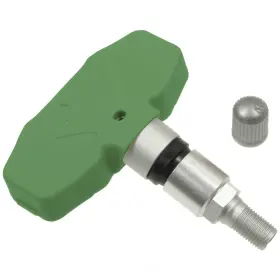
| Brand | STANDARD |
|---|---|
| Manufacturer Part Number | TPM24A |
| Manufacturer Warranty | 1 YEAR |
| Type | TIRE PRESSURE MONITORING SYSTEM |
| UPC | 025623590486 |
Review STANDARD Tpms Sensor-tire Pressure Monitoring System Sensor
The TPMS Sensor TPM24A, manufactured by an innovative automotive technology company, is a state-of-the-art Tire Pressure Monitoring System (TPMS) sensor designed to ensure optimal tire pressure for enhanced vehicle safety and fuel efficiency.
This sensor is engineered with precision to monitor the air pressure in each tire and transmit real-time data to the vehicle's TPMS display system or key fob. By continually monitoring tire pressure, the TPM24A helps maintain the correct tire inflation levels, reducing the risk of under-inflation or over-inflation, which can lead to uneven tire wear, poor handling, and decreased fuel economy.
The TPM24A sensor is characterized by its compact and durable design, which is rugged enough to withstand the harsh conditions of the road. It is designed to be service compatible with a wide range of vehicle makes and models. The sensor's advanced technology enables it to communicate via the ISO 14949 communication protocol, ensuring seamless integration with the vehicle's TPMS system.
The TPM24A sensor is equipped with a long-lasting, replaceable battery, which is engineered to provide a reliable service life of up to 10 years. Upon reaching the end of its battery life, the sensor will alert the driver with a low battery warning, indicating the need for replacement.
This sensor is weatherproof and resistant to temperature and humidity, making it reliable in all driving conditions. Its low profile design is virtually unnoticeable, ensuring a clean and aerodynamic appearance. The TPM24A is also compatibility tested with a wide range of wheel and tire combinations, making it a versatile and dependable choice for maintaining optimal tire pressure and vehicle performance.
In summary, the TPM24A Tire Pressure MonitoringSensor is a high-performance, compact, and durable sensor designed to ensure optimal tire pressure for enhanced safety, fuel efficiency, and extended tire life. Through its advanced technology, long-lasting battery, and compatibility with a wide range of vehicles and tire configurations, the TPM24A represents an essential investment for any vehicle owner seeking peace of mind and improved driving performance.
Buying a standard TPMS sensor, specifically a TPMS sensor like the TPMS24A, comes with both advantages and disadvantages. enormous influential factor on your decision-making process. Here's a balanced assessment of each:
Advantages:1. Improved Safety: A TPMS sensor helps maintain optimal tire pressure, reducing the risk of tire blowouts or under-inflation, which can lead to accidents or decreased fuel efficiency.
2. Convenience: TPMS sensors provide real-time tire pressure information, allowing for easy monitoring without the need to physically check tire pressure regularly.
3. Cost-Effective: Replacing individual TPMS sensors is often more cost-effective than purchasing and installing a new entire TPMS system.
4. Longer Tire Lifespan: Proper tire inflation increases tire durability and reduces the risk of uneven wear.
5. Environmental Benefits: Proper tire inflation reduces rolling resistance, leading to improved fuel efficiency and less greenhouse gas emissions.
Disadvantages:1. Cost: Although individual TPMS sensors can be purchased separately, the cost of purchasing and installing each sensor can add up if multiple sensors need to be replaced.
2. Compatibility: Ensure that the TPMS sensor is compatible with your vehicle, as some vehicles may require OEM sensors to maintain proper communication between the sensor and the vehicle's onboard computer.
3. Technical Challenges: Installing a TPMS sensor can be a complex process if you don't have automotive experience; it might be best to have a professional do it.
4. Limited Use: A standalone TPMS sensor does not provide the same level of functionality as a complete TPMS system, which often includes real-time pressure monitoring for all tires and additional features like temperature monitoring.
Conclusion:TPMS sensors, such as the TPMS24A, offer significant advantages in terms of safety, convenience, and cost-effectiveness. However, the cost of purchasing and installing individual sensors, potential compatibility issues, and the need for technical expertise are notable disadvantages. If you prioritize real-time monitoring and additional features like temperature sensors, a complete TPMS system might be a better choice. But if you're focusing on cost-effective tire pressure monitoring, a standalone TPMS sensor can be a reliable and beneficial investment. By considering these factors, you can make an informed decision based on your unique needs.
Recommendation:Ultimately, the choice of buying a standard TPMS sensor like the TPMS24A depends on your budget, technical capabilities, and the features you require. If you prioritize cost-effective tire pressure monitoring and have the necessary technical expertise, then a standalone TPMS sensor can be a sound investment. However, if you desire comprehensive TPMS functionality, including real-time monitoring for all tires and temperature sensors, a complete TPMS system would be a more suitable option. Consider your requirements and objectives carefully before making your decision. If you feel unsure, consult a professional mechanic for personalized advice.
Details:
This part fits vehicles made in the following years 2006 ,2007,2008,2009,2010,2011,2012,2013,2014. Tire pressure monitoring system tpms sensor. Tire pressure monitoring system sensor. Stock is updated nightly, so it possible that an item shows in stock but was already sold.
Superseded part numbers this item may have been superseded from a different part number this manufacturer. The item specifics section also contains important details.
specifications tirepressense:
- brand: Standard
- mpn: Tpm24a
- manufacturer warranty: 1 Year
- type: Tire Pressure Monitoring System
- upc: 025623590486
seller tirepressense:
- # reviews: 55556
- city: bloomington, california
- rating: 97.2%
payments tirepressense:
- other
- wallet: google-pay
- credit card: discover
general tirepressense:
- category: Auto Parts > Car Truck Accessories > Wheels, Tires > Pressure Monitoring Sensor
returns tirepressense:
- policy: returns accepted
- paid by: seller
- time: 30 days
offer tirepressense:
- in stock #: 5
- started: january 25, 2025
- options: ship-to-home
- prices: $19.99–$58.14
- item condition: New
- availability: in stock
- sold #: 22
shipping tirepressense:
- type: fixed
- class: Standard
- transit: 4-9 days
- service: Standard
Similar Items:
- Tireminder Tm22143 Tire Minder Tpms-i10-10-4 Standard Transmitters Rv Kit Used but works perfectly...(January 7th, 2024)
- Standard Motor Products Tpm118a Tpms Sensor-tire Pressure Monitoring System Sensor Infiniti Infiniti tpms censor came off a Infiniti Q60 let me know I need gone...(January 22nd, 2024)
- Standard Motor Products Tpm305 Used Tpms Tire Pressure Sensors Honda Acura Lot Of 39 Pieces Deal 42753-TZ3-A51. 42753-TL2-A52. Used tpms tire pressure sensors Honda aura lot of 39 pieces deal. 42753-T6N-A01...(March 30th, 2024)
- Standard Ignition Tpm3002k4 Tire Pressure Monitoring System Oe Design Sensor Made of high-quality components for durability, reliability, and performance. Designed specifically for trucks, trailers, and buses. Engineered with a factory-like design for effortless installation, ensuring perfect match your vehicle. Manufactured following strict OE Standards to work like the ...(November 3rd, 2024)
- Standard Tpm54a Tpms Sensor-tire Pressure Monitoring System Sensor Quantity needed. When opening a return, please state the reason for year, make and model of vehicle you purchased part. Tire pressure monitoring system tpms sensor. Tire pressure monitoring system sensor. This part fits vehicles made in the following years 2008 ,2009,2010,2011,2012. 5S7380, 72-2643...(November 4th, 2024)
- Standard Tpm204 For Ram 1500 2014-2015 Tpms Sensor W Rubber Valve Stem Notes: no programming required. Nickel coated. Tpms product line is no different. Undergoes extensive testing - including operational temperature, thermal shock, extreme humidity, frost, proof pressure, rapid deflation, contamination, salt fog, drop, centrifugal force vehicle speed, mechanical ...(November 4th, 2024)
- Standard Tpm22a For Ford Explorer 2002-2005 Tpms Sensor Z-axis or duel X-axis accelerates on ICC chip ensure more precise readings tire positions and rotational direction. Mounting method: clamp-in. Torque: 44 in/lbs. Features: pre-programmed at the factory with exact OE protocol, so its ready to be installed and OE-relearned out of box. Specifications: ...(November 6th, 2024)
- Standard Tpm370 Tpms Sensor With Rubber Valve Frequency: 433 MHz. Replacement: yes. Direct OE replacement matches fit, form, and function, ensuring performance durability. Battery -powered: yes. Each product is rigorously tested to meet strict quality Standards. Pre-programmed at the factory, so its ready to be installed and OE-relearned out of...(November 8th, 2024)
- Standard Tpm6000 Intermotor Tpms Receiver Founded in 1919, Standard is an indisputable leader engine management products. Standard TPM6000 - inter motor tpms receiver.: inter motor tpms receiver by Standard. Tire pressure monitoring system - tpms receiver; Standard ; OE replacement. All Standard products have one thing in common they offer ...(November 8th, 2024)
- Standard Ignition Tpm349 Intermotor Tire Pressure Monitoring System Oe Design Engineered with a factory-like design for effortless installation, ensuring perfect match your vehicle. Manufactured following strict OE Standards to work like the original component. Made of high-quality components for durability, reliability, and performance. Standard ignition TPM349 inter motor ...(November 10th, 2024)
- Standard Ignition Tpm2106vk4 Tire Pressure Monitoring System Oe Design Valve Designed specifically for trucks, trailers, and buses. Standard ignition TPM2106VK4 tire pressure monitoring system OE design valve: part number: manufacturer. Engineered using the latest technology to ensure product lasts longer in service. Manufactured following strict OE Standards to work like ...(November 10th, 2024)