- New & Used Truck/Car Tire Pressure Monitoring Sensors On Sale
- sku: 3588344089028533
- FEDERATED TPM3
TPM3 FEDERATED Tpms Sensor
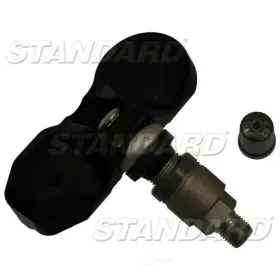
| Brand | FEDERATED |
|---|---|
| Manufacturer Part Number | TPM3 |
| Manufacturer Warranty | 1 YEAR |
| Type | TIRE PRESSURE MONITORING SYSTEM |
Review FEDERATED Tpms Sensor
The Federated TPM3 TPMS Sensor is a state-of-the-art tire pressure monitoring system (TPMS) component designed for high-performance vehicles. This sensor, based on the TPM3 protocol, is an essential addition to any modern tire pressure monitoring system.
The sensor is compact in size, often resembling a small metal cap, and is designed to be installed directly onto the wheel rim of each tire. It utilizes advanced micro-electromechanical systems (MEMS) technology, which enables precise and accurate pressure readings. This sensor is capable of monitoring tire pressure levels in real-time and reporting any deviation from the optimal pressure to the vehicle's onboard computer system.
Each Federated TPM3 TPMS Sensor is equipped with a unique identification number, which allows it to communicate with the other sensors in the system and the vehicle's diagnostic interface. This feature, known as self-learning, ensures that the sensor can easily integrate into the existing tire pressure monitoring system without requiring manual configuration.
The sensor operates on a battery that has a long life expectancy and is designed to be maintenance-free. It is also resilient to various environmental conditions, such as extreme temperatures, humidity, and vibrations. This makes it an ideal choice for vehicles that are frequently driven in demanding conditions.
The Federated TPM3 TPMS Sensor offers several advantages over traditional tire pressure monitoring systems. Its advanced technology enables faster and more accurate pressure readings, which can help improve fuel efficiency, extend tire life, and enhance vehicle safety. Additionally, its self-learning feature simplifies installation and configuration, making it a cost-effective and convenient solution for vehicle owners.
In summary, the Federated TPM3 TPMS Sensor is a high-performance and reliable tire pressure monitoring component designed for modern vehicles. Its compact size, advanced technology, long battery life, and self-learning feature make it a popular choice for those seeking an efficient, accurate, and maintenance-free tire pressure monitoring solution.
A Comparative Analysis of Buying a Federated TPM3 TPM Sensor: Weighing the Pros and Cons
Introduction:A TPM (Trusted Platform Module) sensor is a critical security component that provides hardware-based protection for a system. Among various TPM3 sensors available, the federated TPM3 sensor has gained significant attention due to its unique features. In this analysis, we will discuss the pros and cons of buying a federated TPM3 sensor to help you make an informed decision.
Pros:1. Enhanced Security: Federated TPM3 sensors offer enhanced security as they allow secure communication between different TPMs. This feature is essential for organizations with multiple systems or devices that require secure data sharing.
2. Flexibility: Federated TPM3 sensors enable seamless integration with various platforms and systems, making them a versatile choice for businesses with diverse IT environments.
3. Improved Compliance: Federated TPM3 sensors help organizations meet regulatory requirements, such as HIPAA, PCI DSS, and GDPR, by providing an additional layer of security for sensitive data.
4. Cost-Effective: Federated TPM3 sensors can be a cost-effective solution for organizations with multiple devices or systems, as they eliminate the need for expensive hardware upgrades.
Cons:1. Complexity: The implementation and management of federated TPM3 sensors can be complex, requiring specialized knowledge and resources. This complexity may result in increased operational costs and longer implementation times.
2. Vendor Lock-in: Federated TPM3 sensors may require specific software or hardware from the vendor, making it challenging to switch to a different provider in the future. This vendor lock-in can limit your organization's flexibility and potential cost savings.
3. Dependence on External Parties: Federated TPM3 sensors rely on external parties to establish secure communication channels. This dependence on third parties introduces potential risks, such as data breaches or unauthorized access.
Conclusion:Federated TPM3 sensors offer numerous advantages, including enhanced security, flexibility, improved compliance, and cost-effectiveness. However, they also come with challenges, such as complexity, vendor lock-in, and dependence on external parties.
To determine whether a federated TPM3 sensor is the right choice for your organization, consider your specific security requirements, IT environment, and resources. If your organization requires secure communication between multiple systems, has a diverse IT environment, and needs to meet regulatory compliance, a federated TPM3 sensor may be an excellent investment. However, if your organization has limited resources or requires a more straightforward security solution, a standalone TPM3 sensor may be a better option.
Recommendation:Before making a decision, carefully evaluate your organization's needs and consult with security experts to determine the best TPM solution for your IT environment. Consider factors such as security requirements, IT infrastructure, regulatory compliance, and budget. Based on your evaluation, you may find that a federated TPM3 sensor is the most suitable choice or that a different security solution better fits your organization's needs.
Details:
Tire pressure monitoring system tpms sensor. This part fits vehicles made in the following years 2002 ,2003,2004,2005,2006,2007,2008.
specifications tirepressense:
- brand: Federated
- mpn: Tpm3
- manufacturer warranty: 1 Year
- type: Tire Pressure Monitoring System
seller tirepressense:
- city: porterville, california
- # reviews: 4319
- rating: 98.7%
shipping tirepressense:
- type: fixed
- carrier: usps, ups, fedex
- service: usps ground advantage, ups ground, fedex ground or fedex home delivery
- class: standard
- transit: 3-9 days
general tirepressense:
- category: Auto Parts > Car Truck Accessories > Wheels, Tires > Pressure Monitoring Sensor
returns tirepressense:
- time: 30 days
- paid by: buyer
- policy: returns accepted
payments tirepressense:
- credit card: discover
- wallet: paypal
- other
offer tirepressense:
- availability: in stock
- quantity: 2
- started: february 19, 2025
- options: ship-to-home
- sold #: 19