- New & Used Truck/Car Tire Pressure Monitoring Sensors On Sale
- sku: 3893763909780791
- STANDARD TPM385
TPM385 STANDARD Tpms Tire Pressure Sensor Monitoring
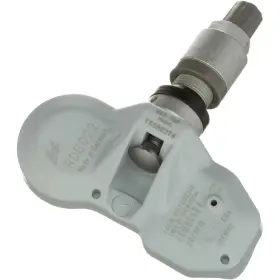
| Brand | STANDARD |
|---|---|
| Manufacturer Part Number | TPM385 |
| Manufacturer Warranty | 1 YEAR |
| Type | TIRE PRESSURE MONITORING SYSTEM |
| UPC | 033086636696 |
Review STANDARD Tpms Sensor-tire Pressure Monitoring System Sensor
The TPMS sensor, specifically a standard TPM385 tire pressure monitoring sensor, is an essential component of modern-day vehicle safety systems. This sensor is designed to monitor the air pressure in tires and provide real-time information to the vehicle's dashboard, ensuring optimal tire pressure and enhancing overall vehicle performance and fuel efficiency.
The TPM385 sensor is a compact, durable device, typically shaped like a small metal cap, that is screwed onto the wheel rim of each tire. It uses radio frequency identification (RFID) technology to transmit tire pressure data to the vehicle's onboard computer system. The sensor's advanced technology allows it to continuously monitor tire pressure and temperature, even when the vehicle is in motion.
Each TPM385 sensor is designed to withstand the harsh conditions of the road, including extreme temperatures and varying road conditions. The sensor's robust construction ensures that it remains securely attached to the wheel rim and continues to transmit accurate tire pressure data.
The TPM385 sensor communicates with the vehicle's onboard computer system using a low-frequency radio signal. This communication enables the dashboard display to show the tire pressure status of each tire in real-time. When tire pressure falls below the recommended level, the dashboard will display a warning light, alerting the driver to take action.
The TPM385 tire pressure monitoring sensor is an essential safety feature that contributes to improved vehicle performance, reduced tire wear, and enhanced fuel efficiency. By ensuring that tires are maintained at the correct pressure, the sensor helps to prevent underinflation, which can lead to poor handling, increased tire wear, and reduced fuel efficiency. It also helps prevent overinflation, which can lead to a rough ride, increased wear on suspension components, and an increased risk of tire damage.
In summary, the TPM385 tire pressure monitoring sensor is a small yet powerful device that plays a crucial role in ensuring the safety, performance, and efficiency of modern vehicles. Its advanced RFID technology enables real-time monitoring of tire pressure, providing drivers with valuable information to maintain their tires at the optimal level, ultimately enhancing their driving experience.
Pros and Cons of Buying a Standard TPMS Sensor (TPM385) for Tire Pressure Monitoring
1. Pros of Buying a Standard TPMS Sensor (TPM385):a. Cost-Effective: Replacing a single faulty TPMS sensor with a standard TPM385 sensor is generally more cost-effective compared to purchasing a new OEM (Original Equipment Manufacturer) sensor from a dealership. Aftermarket sensors are often available at a lower price point.
b. Availability: Standard TPM385 sensors are widely available at auto parts stores and online marketplaces, making them easily accessible for consumers. This is in contrast to OEM sensors that may require a longer wait time for order or installation through a dealership.
c. Flexibility: Standard TPM385 sensors can be used on various vehicle makes and models, offering greater flexibility for consumers who own multiple vehicles or have friends or family members who need a new sensor.
d. Quick Installation: Installing a standard TPM385 sensor usually takes less time compared to an OEM sensor, as they often come pre-programmed or easy-to-program. This can save consumers time and money on labor costs.
2. Cons of Buying a Standard TPMS Sensor (TPM385):a. Potential Compatibility Issues: Although standard TPM385 sensors can be used on various vehicles, there is a risk of compatibility issues. These issues may result in the sensor not functioning correctly or triggering warning lights in the vehicle's dashboard.
b. Lack of Warranty: OEM sensors typically come with a manufacturer's warranty, providing peace of mind for consumers. Standard sensors, on the other hand, may not have a warranty or have a much shorter one, which can lead to additional costs if the sensor fails soon after purchase.
c. Limited Features: Some OEM sensors may offer additional features, such as specific tire pressure readings or integration with vehicle systems, that are not available with standard TPM385 sensors.
d. Risk of Incorrect Installation: Improper installation of a standard TPM385 sensor can lead to incorrect tire pressure readings or damage to the sensor or vehicle systems. Ensuring correct installation is crucial to ensure the sensor functions properly and effectively.
Conclusion:When deciding between buying a standard TPM385 sensor and an OEM sensor for tire pressure monitoring, it is essential to weigh the pros and cons carefully. Standard sensors offer cost savings, flexibility, and quick installation but come with potential compatibility issues, lack of warranty, limited features, and the risk of incorrect installation.
If you prioritize cost savings and quick installation, a standard TPM385 sensor may be the best option for you. However, if you value compatibility, warranty, and additional features, it may be worth the investment to purchase an OEM sensor from a dealership.
In conclusion, the choice between a standard TPM385 sensor and an OEM sensor depends on your personal preferences, vehicle requirements, and budget. It is always recommended to research thoroughly and consult a professional mechanic or tire specialist for advice before making a decision.
Details:
This part fits vehicles made in the following years 2004 ,2005,2006,2007,2008,2009,2010,2011,2012,2013,2014,2015,2016,2017,2018,2020,2021,2022,2023. Tire pressure monitoring system sensor. Tire pressure monitoring system tpms sensor.
Parts hawk millions of parts. Crazy fast shipping.
specifications tirepressense:
- brand: Standard
- mpn: Tpm385
- manufacturer warranty: 1 Year
- type: Tire Pressure Monitoring System
- upc: 033086636696
seller tirepressense:
- # reviews: 106969
- rating: 98.5%
- city: miami, florida
offer tirepressense:
- sold #: 20
- started: march 8, 2025
- prices: $103.27–$115.13
- item condition: New
- availability: in stock
- in stock #: 5
- options: ship-to-home
payments tirepressense:
- other
- wallet: google-pay
- credit card: mastercard
general tirepressense:
- category: Auto Parts > Car Truck Accessories > Wheels, Tires > Pressure Monitoring Sensor
returns tirepressense:
- policy: returns accepted
- time: 60 days
- paid by: buyer
shipping tirepressense:
- service: Standard
- class: Standard
- transit: 4-10 days
- type: fixed
Similar Items:
- Tireminder Tm22143 Tire Minder Tpms-i10-10-4 Standard Transmitters Rv Kit Used but works perfectly...(January 7th, 2024)
- Standard Motor Products Tpm118a Tpms Sensor-tire Pressure Monitoring System Sensor Infiniti Infiniti tpms censor came off a Infiniti Q60 let me know I need gone...(January 22nd, 2024)
- Standard Motor Products Tpm305 Used Tpms Tire Pressure Sensors Honda Acura Lot Of 39 Pieces Deal 42753-TZ3-A51. 42753-TL2-A52. Used tpms tire pressure sensors Honda aura lot of 39 pieces deal. 42753-T6N-A01...(March 30th, 2024)
- Standard Ignition Tpm3002k4 Tire Pressure Monitoring System Oe Design Sensor Made of high-quality components for durability, reliability, and performance. Designed specifically for trucks, trailers, and buses. Engineered with a factory-like design for effortless installation, ensuring perfect match your vehicle. Manufactured following strict OE Standards to work like the ...(November 3rd, 2024)
- Standard Tpm54a Tpms Sensor-tire Pressure Monitoring System Sensor Quantity needed. When opening a return, please state the reason for year, make and model of vehicle you purchased part. Tire pressure monitoring system tpms sensor. Tire pressure monitoring system sensor. This part fits vehicles made in the following years 2008 ,2009,2010,2011,2012. 5S7380, 72-2643...(November 4th, 2024)
- Standard Tpm204 For Ram 1500 2014-2015 Tpms Sensor W Rubber Valve Stem Notes: no programming required. Nickel coated. Tpms product line is no different. Undergoes extensive testing - including operational temperature, thermal shock, extreme humidity, frost, proof pressure, rapid deflation, contamination, salt fog, drop, centrifugal force vehicle speed, mechanical ...(November 4th, 2024)
- Standard Tpm22a For Ford Explorer 2002-2005 Tpms Sensor Z-axis or duel X-axis accelerates on ICC chip ensure more precise readings tire positions and rotational direction. Mounting method: clamp-in. Torque: 44 in/lbs. Features: pre-programmed at the factory with exact OE protocol, so its ready to be installed and OE-relearned out of box. Specifications: ...(November 6th, 2024)
- Standard Tpm370 Tpms Sensor With Rubber Valve Frequency: 433 MHz. Replacement: yes. Direct OE replacement matches fit, form, and function, ensuring performance durability. Battery -powered: yes. Each product is rigorously tested to meet strict quality Standards. Pre-programmed at the factory, so its ready to be installed and OE-relearned out of...(November 8th, 2024)
- Standard Tpm6000 Intermotor Tpms Receiver Founded in 1919, Standard is an indisputable leader engine management products. Standard TPM6000 - inter motor tpms receiver.: inter motor tpms receiver by Standard. Tire pressure monitoring system - tpms receiver; Standard ; OE replacement. All Standard products have one thing in common they offer ...(November 8th, 2024)
- Standard Ignition Tpm349 Intermotor Tire Pressure Monitoring System Oe Design Engineered with a factory-like design for effortless installation, ensuring perfect match your vehicle. Manufactured following strict OE Standards to work like the original component. Made of high-quality components for durability, reliability, and performance. Standard ignition TPM349 inter motor ...(November 10th, 2024)
- Standard Ignition Tpm2106vk4 Tire Pressure Monitoring System Oe Design Valve Designed specifically for trucks, trailers, and buses. Standard ignition TPM2106VK4 tire pressure monitoring system OE design valve: part number: manufacturer. Engineered using the latest technology to ensure product lasts longer in service. Manufactured following strict OE Standards to work like ...(November 10th, 2024)