- New & Used Truck/Car Tire Pressure Monitoring Sensors On Sale
- sku: 4935155160045693
- STANDARD TPM391
TPM391 STANDARD Tpms Tire Pressure Sensor Monitoring
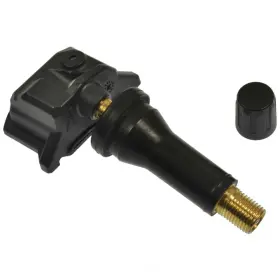
| Brand | STANDARD |
|---|---|
| Manufacturer Part Number | TPM391 |
| Type | TIRE PRESSURE MONITORING SYSTEM |
| UPC | 033086712208 |
Review STANDARD Tpms Sensor-tire Pressure Monitoring System Sensor
The Standard TPM391 Tire Pressure Monitoring Sensor (TPMS) is a compact and advanced device designed to ensure optimal tire pressure for enhanced vehicle performance and safety. This sensor, manufactured by a trusted automotive supplier, is engineered to meet the stringent requirements of modern vehicles.
The TPM391 sensor is a direct-mount type, which means it can be installed directly onto the wheel without requiring a separate valve stem assembly. Its sleek, low-profile design minimally disrupts the wheel's aerodynamics while maintaining a secure connection to the tire. The sensor housing is made of durable, weather-resistant materials to ensure reliable performance in various environmental conditions.
This sensor utilizes state-of-the-art pressure and temperature sensing technologies. It can accurately measure tire pressure within a range of 10 to 150 PSI (pounds per square inch) and ambient temperatures between -40 F to 158 F (-40 C to 70 C). The sensor communicates this vital information to the vehicle's TPMS module using radio frequency technology, ensuring real-time and accurate tire pressure monitoring.
The TPM391 sensor features a self-diagnostic function that checks for any faults or issues, including low battery, communication errors, or tire pressure anomalies. It can store up to five separate tire pressure readings, allowing the driver to identify which tire may require attention. This sensor is also compatible with most vehicle systems, including those using different communication protocols such as CAN, FlexRay, or KWP.
Installation of the TPM391 sensor is a straightforward process. It comes with a mounting tool and all necessary hardware for a secure installation. Once installed, the sensor undergoes a calibration process to ensure precise and accurate tire pressure readings. This sensor is backed by a comprehensive warranty to provide peace of mind and reliability to the customer.
In summary, the Standard TPM391 Tire Pressure Monitoring Sensor is a high-performance, reliable, and easy-to-install device designed to ensure optimal tire pressure for improved vehicle safety and performance. Its advanced features, including accurate pressure and temperature sensing, self-diagnostic functionality, and compatibility with various vehicle systems, make it an excellent choice for both personal and commercial vehicles.
Buying a standard TPMS sensor (TPM391) for your vehicle comes with several advantages and disadvantages. Here's a detailed analysis: Advantages:1. Improved Safety: TPMS sensors help maintain optimal tire pressure, which enhances vehicle safety by preventing blowouts, reducing the risk of accidents, and improving overall handling and performance.
2. Real-time Monitoring: TPMS sensors provide real-time tire pressure information, allowing you to identify any pressure changes or leaks promptly, ensuring that your tires are always in the optimal condition.
3. Fuel Efficiency: Proper tire pressure can improve your vehicle's fuel efficiency by reducing the rolling resistance, enabling your engine to work more efficiently and saving you money on fuel.
4. Cost-effective: Replacing a single faulty TPMS sensor is generally more cost-effective than purchasing an entire new TPMS system.
Disadvantages:1. Cost: While the cost of a single TPMS sensor is relatively low, the overall cost of having all sensors checked and replaced can add up, especially if you have multiple sensors that need to be replaced.
2. Complexity: TPMS sensors can be complex systems, requiring specialized tools and knowledge to diagnose and repair, which may result in additional labor costs.
3. Limited compatibility: Not all TPMS sensors are compatible with all vehicle makes and models, so it's essential to ensure that you purchase the correct sensor for your specific vehicle.
Conclusion:TPMS sensors, such as the TPM391, offer several advantages, including improved safety, real-time monitoring, fuel efficiency, and cost-effectiveness. However, they also come with some disadvantages, such as cost, complexity, and limited compatibility. Ultimately, the decision to purchase a TPMS sensor depends on your personal preferences, budget, and the specific requirements of your vehicle. If you frequently drive long distances or want to ensure the safety and efficiency of your tires, investing in a TPMS sensor may be a worthwhile investment. If you have a limited budget or drive short distances infrequently, you may choose to forgo the added expense.
Recommendation:If you decide to purchase a TPMS sensor, ensure that you obtain the correct sensor for your vehicle make and model from a reputable supplier. Perform regular tire pressure checks to maintain optimal tire pressure and ensure the longevity of your tires and the safety of your vehicle. If you're unsure about the installation process or have any concerns, consult a professional mechanic for assistance.
Details:
This part fits vehicles made in the following years 2021 ,2022,2023. Tire pressure monitoring system tpms sensor. Tire pressure monitoring system sensor.
specifications tirepressense:
- brand: Standard
- mpn: Tpm391
- type: Tire Pressure Monitoring System
- upc: 033086712208
seller tirepressense:
- rating: 81.3%
- # reviews: 60
- city: valley village, california
offer tirepressense:
- in stock #: 5
- availability: in stock
- options: ship-to-home
- prices: $26.95–$49.99
- item condition:
- New
- New other (see details)
- started: april 27, 2025
- sold #: 18
payments tirepressense:
- other
- wallet: paypal
- credit card: visa
returns tirepressense:
- policy: returns accepted
- paid by: seller
- time: 30 days
shipping tirepressense:
- service: usps priority mail
- type: fixed
- class: expedited
- carrier: usps
- transit: 4-9 days
general tirepressense:
- category: Auto Parts > Car Truck Accessories > Wheels, Tires > Pressure Monitoring Sensor
Similar Items:
- Tireminder Tm22143 Tire Minder Tpms-i10-10-4 Standard Transmitters Rv Kit Used but works perfectly...(January 7th, 2024)
- Standard Motor Products Tpm118a Tpms Sensor-tire Pressure Monitoring System Sensor Infiniti Infiniti tpms censor came off a Infiniti Q60 let me know I need gone...(January 22nd, 2024)
- Standard Motor Products Tpm305 Used Tpms Tire Pressure Sensors Honda Acura Lot Of 39 Pieces Deal 42753-TZ3-A51. 42753-TL2-A52. Used tpms tire pressure sensors Honda aura lot of 39 pieces deal. 42753-T6N-A01...(March 30th, 2024)
- Standard Ignition Tpm3002k4 Tire Pressure Monitoring System Oe Design Sensor Made of high-quality components for durability, reliability, and performance. Designed specifically for trucks, trailers, and buses. Engineered with a factory-like design for effortless installation, ensuring perfect match your vehicle. Manufactured following strict OE Standards to work like the ...(November 3rd, 2024)
- Standard Tpm54a Tpms Sensor-tire Pressure Monitoring System Sensor Quantity needed. When opening a return, please state the reason for year, make and model of vehicle you purchased part. Tire pressure monitoring system tpms sensor. Tire pressure monitoring system sensor. This part fits vehicles made in the following years 2008 ,2009,2010,2011,2012. 5S7380, 72-2643...(November 4th, 2024)
- Standard Tpm204 For Ram 1500 2014-2015 Tpms Sensor W Rubber Valve Stem Notes: no programming required. Nickel coated. Tpms product line is no different. Undergoes extensive testing - including operational temperature, thermal shock, extreme humidity, frost, proof pressure, rapid deflation, contamination, salt fog, drop, centrifugal force vehicle speed, mechanical ...(November 4th, 2024)
- Standard Tpm22a For Ford Explorer 2002-2005 Tpms Sensor Z-axis or duel X-axis accelerates on ICC chip ensure more precise readings tire positions and rotational direction. Mounting method: clamp-in. Torque: 44 in/lbs. Features: pre-programmed at the factory with exact OE protocol, so its ready to be installed and OE-relearned out of box. Specifications: ...(November 6th, 2024)
- Standard Tpm370 Tpms Sensor With Rubber Valve Frequency: 433 MHz. Replacement: yes. Direct OE replacement matches fit, form, and function, ensuring performance durability. Battery -powered: yes. Each product is rigorously tested to meet strict quality Standards. Pre-programmed at the factory, so its ready to be installed and OE-relearned out of...(November 8th, 2024)
- Standard Tpm6000 Intermotor Tpms Receiver Founded in 1919, Standard is an indisputable leader engine management products. Standard TPM6000 - inter motor tpms receiver.: inter motor tpms receiver by Standard. Tire pressure monitoring system - tpms receiver; Standard ; OE replacement. All Standard products have one thing in common they offer ...(November 8th, 2024)
- Standard Ignition Tpm349 Intermotor Tire Pressure Monitoring System Oe Design Engineered with a factory-like design for effortless installation, ensuring perfect match your vehicle. Manufactured following strict OE Standards to work like the original component. Made of high-quality components for durability, reliability, and performance. Standard ignition TPM349 inter motor ...(November 10th, 2024)
- Standard Ignition Tpm2106vk4 Tire Pressure Monitoring System Oe Design Valve Designed specifically for trucks, trailers, and buses. Standard ignition TPM2106VK4 tire pressure monitoring system OE design valve: part number: manufacturer. Engineered using the latest technology to ensure product lasts longer in service. Manufactured following strict OE Standards to work like ...(November 10th, 2024)